We recently had an election here in the UK, and while it was for local councils, I still believe that exercising our democratic right is so incredibly important. It really wasn’t that long ago that the Suffragettes were fighting just for the right to vote. Think of Emily Davison, who tragically died after walking onto the racetrack at the Epsom Derby on June 4, 1913, and being struck by Anmer, the racehorse owned by King George V. She made the ultimate sacrifice, just so ordinary people could have a voice
That got me thinking about social change in this country, and how far we’ve actually come
The System That Divided Us
When my Mum was at school, she was born in 1937, there was an exam you took at age 11 called the "11-plus." To put it simply, it split children's futures right down the middle:
Those who passed: Went to Grammar school and were groomed to become the country's future managers and leaders
Those who failed: Went to secondary modern schools, effectively trained to work in factories or join the armed forces
It’s an oversimplification, but that is pretty much how the cookie crumbled back then
Overcoming the Class Barrier
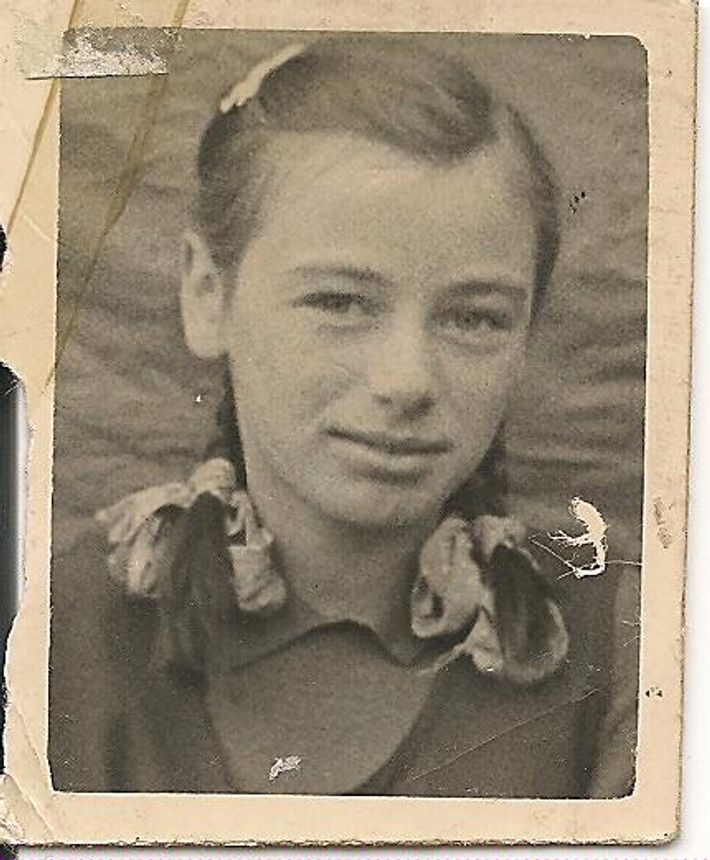
My Mum came from a solid, working-class background. The family lived in a terraced house; her father, my grandfather, was a horticulturist who worked the land in the Vale of Evesham. Her mum was in service, working as a Nanny, Cook, and Housekeeper for a local dentist
Because my Mum showed real promise at school, she was entered into the 11-plus a year early and passed. But the system wasn't just rigid; it was biased. Because she wasn't the daughter of a dentist, doctor or a solicitor, she was held back a year. Meanwhile, the sons and daughters of the middle classes who passed were sent straight up without a second thought
Despite the hurdles, Mum did finally get to go to Grammar school. For a working-class family in that era, it was an absolutely amazing achievement
Conclusion
Looking back at these chapters in history, whether it’s the dangerous protests on a racetrack or the quiet unfairness of an old school system, reminds us that the freedoms and opportunities we have today weren't just handed to us. They were fought for by ordinary people who refused to accept the status quo. We still have progress to make, but when I look at how far we've come since my Mum's school days, it's clear that change is possible. And it starts with us using our voices, and our votes
 unknownx500