

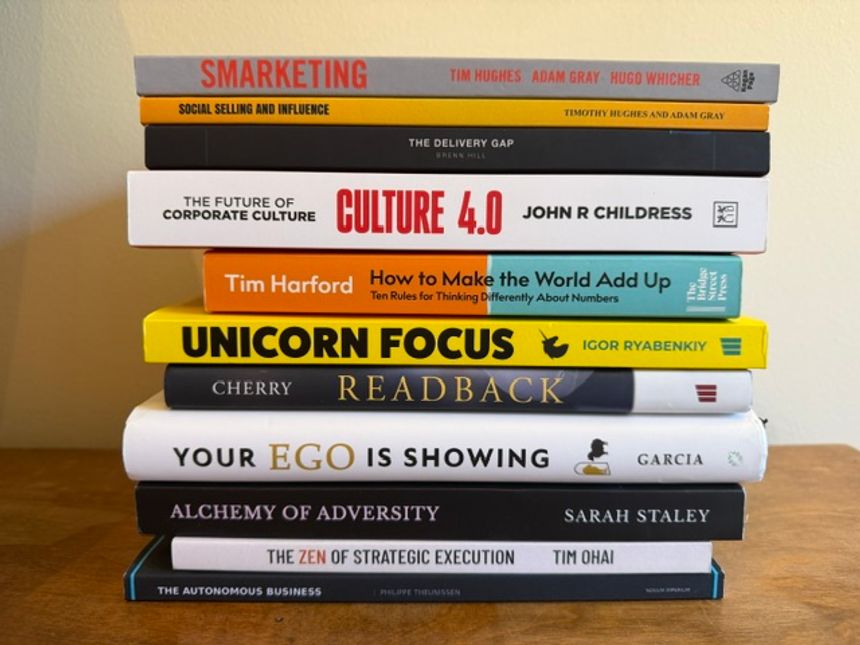
Here are the ten business books that have shaped my thinking most recently, a mix of bold ideas, sharp insights, and a few genuine game-changers
I’ve pulled together short reviews for each, and I hope they spark your curiosity as much as they did mine
And a small favour: if you read any of these books, please leave a review
It makes a bigger difference to us authors than you might imagine
If you want to follow the books I’m reading in real time (without waiting for the reviews), head over to the DLA Ignite LinkedIn page and hit follow
Plenty more ideas and inspiration waiting there
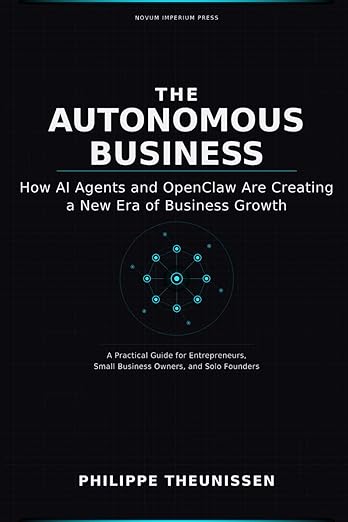
The Autonomous Business is a definitive, wake-up call for any business leader who thinks deploying AI begins and ends with drafting emails or generating images. Philippe Theunissen brilliantly articulates the seismic shift from simple automation to true organizational autonomy, demonstrating how AI agents are transitioning from passive assistants into proactive digital employees. What sets this book apart from standard tech hype is its concrete focus on actionable frameworks. By introducing OpenClaw, Theunissen demystifies how businesses of all sizes can orchestrate multiple AI agents across operations, sales, and customer engagement to scale revenue 24/7 without the traditional burden of massive operational overhead.
What makes this a must-read is its profound realism regarding leadership and scalability. Theunissen doesn't just paint a utopian picture of the "agentic enterprise"; he addresses the real-world bottlenecks, the necessity of building algorithmic trust, and how human roles must evolve when middle management is augmented by AI. It balances deep technical foresight with practical strategy, proving that small and medium-sized businesses now have a structural advantage to outmaneuver legacy giants. If you want to understand how companies will actually operate, compete, and achieve 10x growth over the next decade, this book is your blueprint.
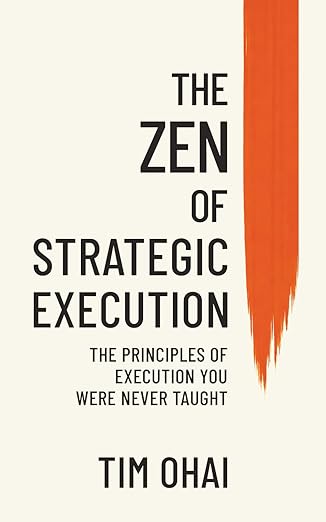
If you’ve ever watched a meticulously crafted strategic plan unravel the moment it hits the real world, The Zen of Strategic Execution is the reality check you’ve been waiting for. Tim Ohai brilliantly dismantles the traditional, business-school approach to execution, proving that failures rarely stem from bad spreadsheets, but rather from a fundamental misunderstanding of human behavior. Drawing on his deep background in Industrial-Organizational Psychology, Ohai explains how pressure, ego, and fear quietly sabotage decision-making when leadership isn't in the room. It is a refreshing, paradigm-shifting look at why command-and-control structures fail and how to build a corporate culture that naturally breeds high performance.
What sets this book apart from standard business fare is its actionable "Zen" philosophy: achieving flawless execution isn't about working harder, adding more oversight, or scheduling endless meetings. Instead, it is about mastering organizational clarity and creating the specific conditions where teams can make autonomous, high-stakes decisions under pressure. Packed with sharp, real-world case studies and frameworks, like dismantling the toxic "Ego-Fear Loop", Ohai delivers a powerful roadmap for any executive, founder, or manager ready to stop simply planning strategy and finally start finishing it. Highly recommended for leaders looking to transition from chaotic micromanagement to sustainable execution.
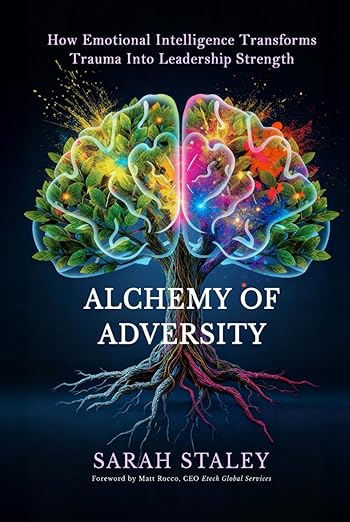
Alchemy of Adversity is a brilliant and much-needed disruption to traditional corporate leadership literature. Sarah Staley masterfully dismantles the outdated notion that leaders must compartmentalize their personal struggles and "leave them at the door." Instead, drawing on her deep expertise as an HR executive and coach, Staley argues that our deepest setbacks, be it burnout, grief, or professional failure, are actually the raw materials for extraordinary leadership. Through a beautifully structured, science-backed framework rooted in Emotional Intelligence (EQ), she provides a practical roadmap for converting personal trauma into profound professional power. It is an incredibly validating read for any leader who has ever felt broken by circumstances, shifting the narrative from mere survival to genuine transformation.
What sets this book apart is its perfect balance of raw vulnerability and strategic actionable advice. Staley doesn’t just offer platitudes or rely on "toxic positivity"; she dives into the actual neuroscience of regulation, reframing, and integration, complete with insights from behavioral tools like the EQ-i 2.0. The writing is engaging, compassionate, and deeply grounded in real-world workplace dynamics. Whether you are an executive trying to steer a team through organizational chaos, an HR professional looking to build a trauma-informed culture, or simply someone trying to reclaim your narrative after a massive life setback, Alchemy of Adversity is a must-read. It will completely redefine how you view your past and unlock your potential for the future.
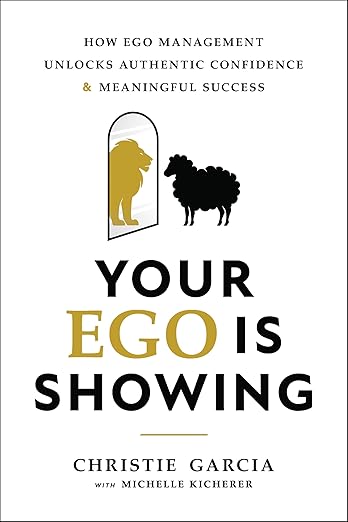
Your Ego Is Showing is a breath of fresh air in a crowded self-help and leadership market that usually tells us to either blindly embrace our inner "alpha" or completely crush our ego. Christie Garcia introduces a much more realistic, sustainable, and grounded approach: Ego Management. Instead of treating the ego like an enemy, Garcia expertly guides readers to recognize it as a protective mechanism that simply needs better direction. Through relatable archetypes and sharp insights, she exposes the subtle "ego traps" that cause high-achievers to self-sabotage, struggle with feedback, or prioritize "winning" over actual progress.
What sets this book apart is how incredibly actionable it is. Garcia doesn’t just theorize about self-awareness; she provides a practical blueprint for bridging the gap between ego-driven bravado and authentic confidence. The writing is engaging, the real-world coaching examples are highly relatable, and the daily tools are easy to implement immediately. Whether you are an executive looking to eliminate your leadership blind spots, or simply someone wanting to build deeper, healthier relationships, this book is an essential read. It will completely change how you view your habits, your triggers, and your definition of true success. Highly recommended!
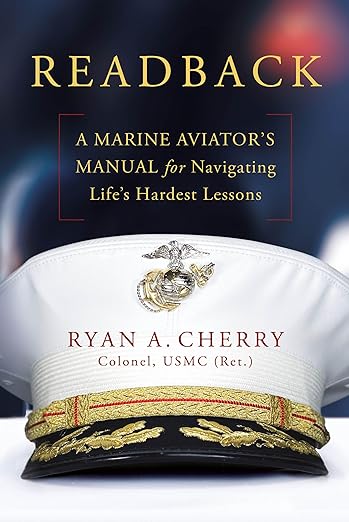
Readback: A Marine Aviator's Manual for Navigating Life's Hardest Lessons is a phenomenal, gripping read that effortlessly bridges the gap between the cockpit of a Cobra helicopter and the realities of everyday life. Colonel (Ret.) Ryan A. Cherry leverages his 25 years of military service not just to tell thrilling war stories, but to dissect his own missteps and successes with a rare, refreshing humility. By using the aviation concept of a "readback", confirming instructions to eliminate catastrophic error, Cherry builds a powerful 22-lesson framework for decision-making, accountability, and leading under intense pressure. His "de-militarized" takeaways ensure that whether you are a corporate executive, a community leader, or simply someone trying to steer through personal chaos, you walk away with highly actionable strategies.
What truly elevates this book beyond a standard military memoir, however, is its profound vulnerability. Cherry strips away the stoic, bulletproof persona often associated with senior officers to share raw, deeply personal battles with self-doubt, family health crises, and infertility. He challenges readers to step out of their comfortable echo chambers, test their deeply held assumptions, and embrace the humanity of others. It is this balance of tactical military wisdom and genuine emotional honesty that makes Readback such an impactful guide. It’s an essential manual for anyone looking to find their bearings, build stronger teams, and navigate life's most turbulent missions with grace and resilience.
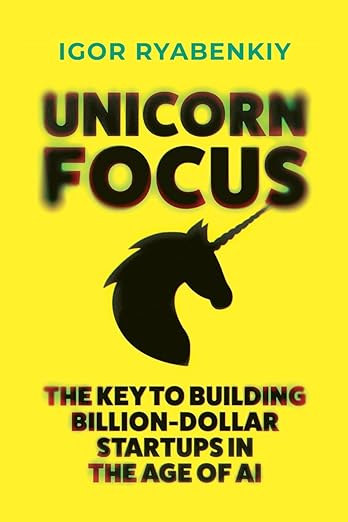
As a founder, the biggest trap in today’s tech landscape isn’t a lack of tools, it’s the illusion that because AI allows us to build everything instantly, we should. Igor Ryabenkiy completely shatters this "more is more" mentality in Unicorn Focus. Drawing directly from his experience backing heavyweights like Miro and Deel at the seed stage, he delivers a painfully honest, highly tactical playbook on why the ability to ruthlessly say "no" is a startup’s true unfair advantage. The chapter on validating MVPs without getting sucked into feature bloat is worth the price of the book alone.
What makes this book stand out from typical VC literature is Igor’s background as a former founder; he doesn't preach from a distant boardroom, but writes with the grit of someone who knows the chaos of the early stages. Instead of abstract theories, you get actionable frameworks to protect your team's energy, isolate your core value proposition, and build for compounding long-term growth. If you are feeling overwhelmed by infinite product directions and market noise, this book is the hard reset you need.
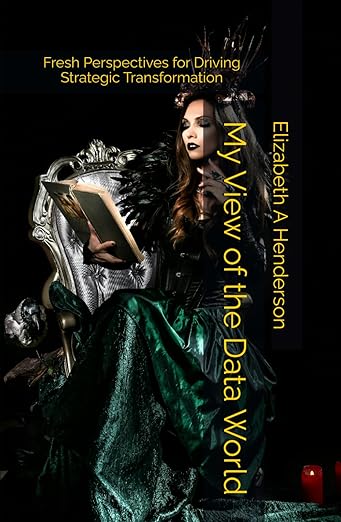
Liz Henderson’s My View of the Data World is a vital wake-up call for any business leader drowning in metrics but starving for actual strategy. Henderson brilliantly dismantles the common myth that digital transformation is a tech problem, reframing it entirely as a leadership and human culture challenge. She cuts straight through the fluff of "analytics theatre", where companies mistake busy dashboards for real progress and introduces powerful, pragmatic concepts like the financial cost of organizational data friction. Her breakdown of why "shadow data" is actually an employee survival signal completely shifts how you view internal bottlenecks, showing that the future of business intelligence belongs to organizations that master human fundamentals over shiny new platforms.
What makes this book stand out is its accessible, entirely jargon-free approach that bridges the gap between technical teams and non-technical board members. Instead of offering a generic checklist, Henderson delivers a foundational mindset shift, teaching readers how to subject every data and AI initiative to the "Now What?" test to ensure it drives measurable business outcomes. Whether you are an executive trying to rescue a stalled AI roadmap, a data professional aiming for the C-suite, or a change-maker navigating digital transformation, this book serves as an indispensable, people-first blueprint for building a resilient, strategic organization. Highly recommended!
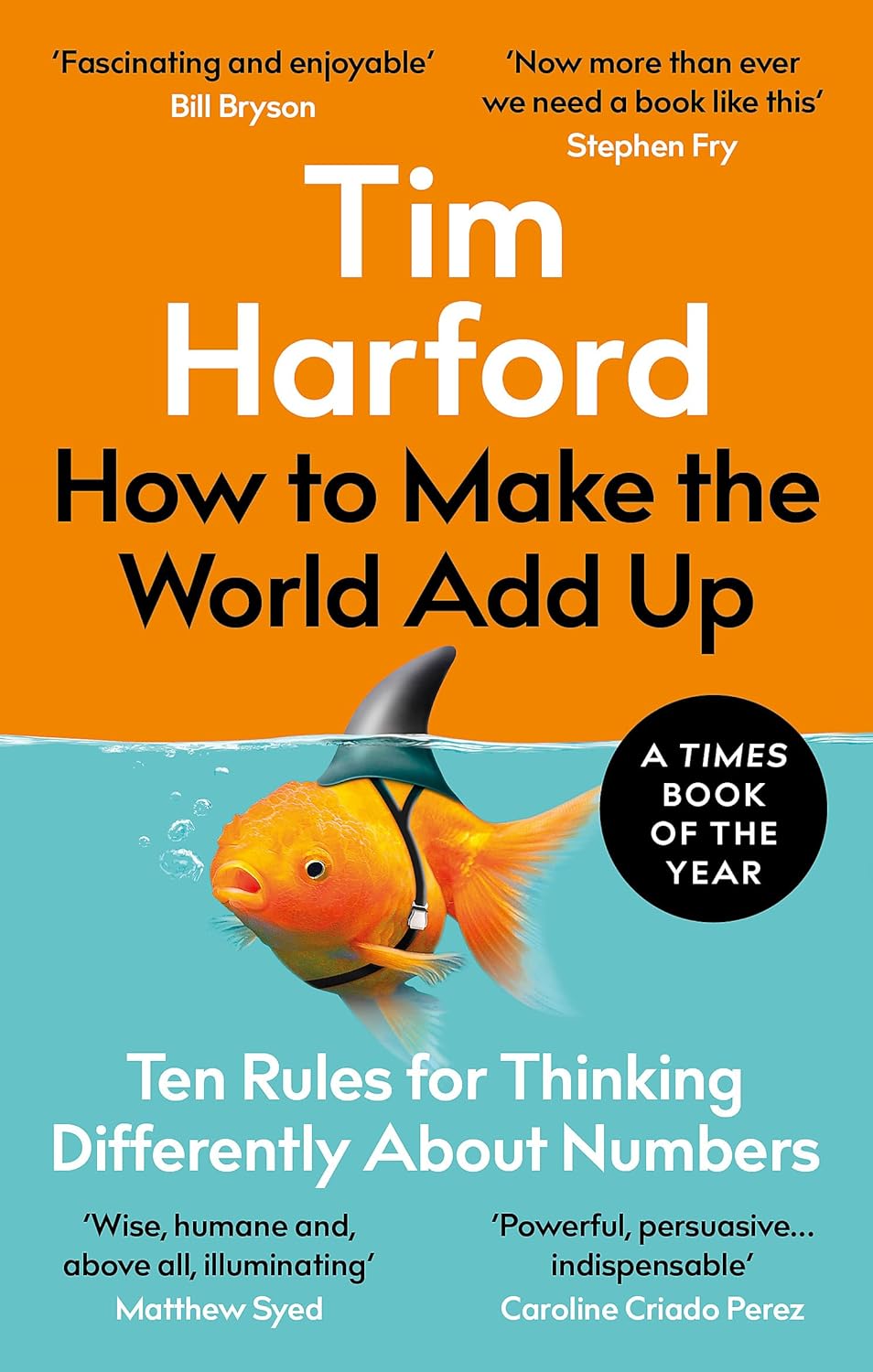
Tim Harford’s How to Make the World Add Up (published in North America as The Data Detective) is a masterclass in navigating the modern deluge of statistics without losing your mind, or your skepticism. Instead of treating data as an intimidating weapon or a dry textbook subject, Harford approaches numbers as a tool for curiosity and discovery. He offers ten beautifully simple, intuitive rules that teach us how to pause, notice our emotional biases, and ask the right questions before accepting a headline at face value. Written with his signature wit and packed with fascinating historical anecdotes, the book acts as an empowering guide to understanding the world more clearly rather than a cynical warning to distrust everything.
What makes this book truly exceptional is its profound empathy for the reader. Harford doesn't lecture or condescend; instead, he gently unpacks why our brains are hardwired to misinterpret data when it confirms our existing worldviews. It is an essential, highly readable toolkit for anyone looking to sharpen their critical thinking skills in an era dominated by misinformation and polarized debates. Whether you are a total mathphobe or a seasoned data analyst, this book will fundamentally change the way you read the news, scroll through social media, and interpret the world around you. Highly recommended!
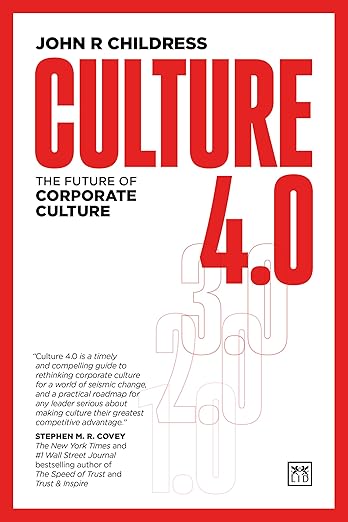
Culture 4.0: The Future of Corporate Culture is an absolute must-read for C-suite executives, HR leaders, and modern managers who feel the traditional rules of business shifting beneath their feet. Rather than treating corporate culture as a vague, soft slogan or a once-a-year survey checkbox, John R. Childress masterfully redefines it as a highly integrated business system and an explicit operational risk. Drawing from decades of high-level advisory experience, Childress explicitly links an organization's internal culture to the fast-moving external realities of today, challenging leaders to adapt to macro shifts like artificial intelligence, hybrid workforces, social media, and evolving demographics. It is a refreshing, data-backed antidote to the fluff that often surrounds organizational theory.
What makes this book stand out is its immediate practical utility and its refusal to rely on easy answers. Childress introduces the brilliant concept of "cultural architects," providing middle managers and executive teams with clear frameworks and decision tools to align daily behaviors directly with macro business strategy. The book expertly dismantles popular corporate myths and replaces them with a strategic roadmap for building a resilient, high-performing ecosystem. If you want to transform your company culture into a measurable competitive advantage and safely navigate the tech-driven disruptions of the future, Culture 4.0 offers the exact blueprint you need. Highly recommended!
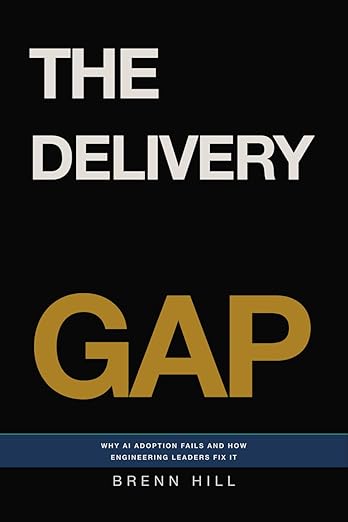
Brenn Hill’s The Delivery Gap is the definitive reality check that the tech industry desperately needs right now. While most discussions around generative AI focus entirely on individual developer speed and soaring PR volumes, Hill brilliantly pulls back the curtain on the hidden bottlenecks destroying organizational throughput. Grounded in rigorous data, including a massive 10,000+ developer study, the book exposes why producing code faster doesn't mean shipping software faster. Hill shifts the conversation away from basic prompting tutorials and introduces highly actionable frameworks like "The Verification Triangle" and the "5 Quality Gate Tiers," giving tech leaders a concrete roadmap to prevent AI-generated technical debt from breaking their production environments.
What sets this book apart is its profound empathy for the changing human dynamics within engineering teams. Hill explicitly addresses how the compression of the execution layer is shifting a massive cognitive burden upward, threatening to burn out senior engineers who are left acting as full-time traffic cops for noisy, unverified code. Complete with a pragmatic 90-day implementation plan, The Delivery Gap provides engineering managers, CTOs, and VPs of Engineering with the exact tactical blueprint needed to restore sanity to their pipelines. It is an absolute must-read for any leader who wants to stop measuring developer activity and start delivering predictable, high-quality business outcomes.
And now a little bit about my books ....
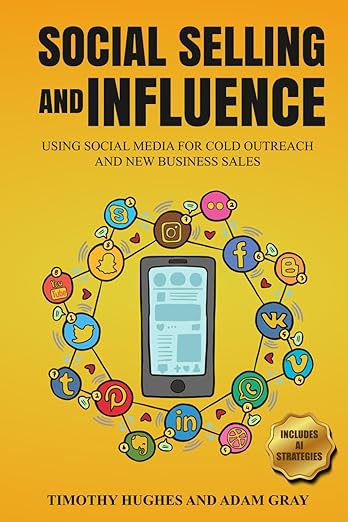
This is my 3rd book on social selling and my 4th book overall, “Social Selling - Using Social Media for Cold Outreach and New Business sales”. Written by hand (and not AI) over Christmas 2025, it uses the latest research and builds on a decade of client work. The book is based entirely on what we know works for our clients; from our own benchmarks, we know the average SDR gets 5x high-quality ICP meetings a week, and we have an AE at Salesforce who gets 7x high-quality ICP meetings a week. If you want to replicate those sorts of results, then this is the book for you. It's self-published, meaning I was free to write exactly what you need to hear. I've kept it short enough to read over a weekend, and in every territory, it’s less than a tenner.
For those searching for an AI answer, there is a whole chapter on the subject written by our AI SME, Bertrand Godillot. Based on our own experiences implementing an AI Agent / Teammate, it will help guide your sales AI journey, not to automate you, but to make you more human and help scale yourself. The book is available on Amazon worldwide.
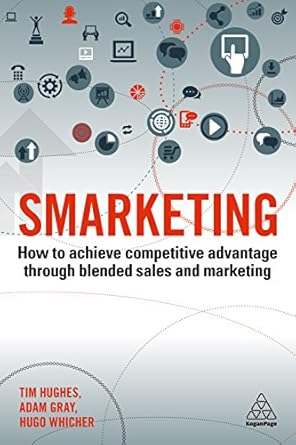
In my second book, "Smarketing - How to achieve competitive advantage through blended sales and marketing" published through Kogan Page, we looked at the age old problem of marketing and sales working together. At the time there was a lot of conversations on social media about how on earth do we get sales and marketing to be one team?
The book, takes a case study, which we cannot mention, it works through the strategy, how to implement a program to implement sales and marketing, the political risks and measures and governance. The book finishes with a look into the future of sales and marketing.
I would admit that if we wrote the book today, we would probably call it Rev-ops (revenue operations).
Please note that some reviews (but not all) I had Chat GPT or Google's Gemini to help me.
/Passle/59673246b00e801d00aac5ae/MediaLibrary/Images/2026-10-07-16-45-55-285-6ac67743fb51287ac22546e0.png)
/Passle/59673246b00e801d00aac5ae/MediaLibrary/Images/2026-10-05-20-52-51-124-6ac40e23936a86befc5e5f18.jpeg)
/Passle/59673246b00e801d00aac5ae/MediaLibrary/Images/2026-10-07-16-59-29-325-6ac67a71755ba1b9891ae5a8.jpg)
/Passle/59673246b00e801d00aac5ae/MediaLibrary/Images/2026-10-08-07-57-09-809-6ac74cd58f60cb75fde17fb2.jpeg)