

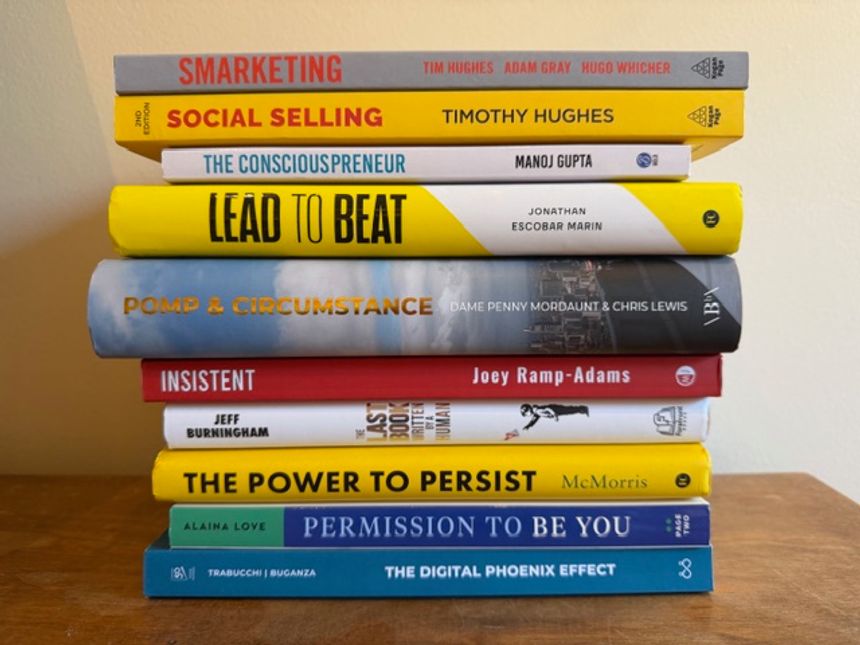
Here are the ten business books that have shaped my thinking most recently, a mix of bold ideas, sharp insights, and a few genuine game-changers
I’ve pulled together short reviews for each, and I hope they spark your curiosity as much as they did mine
And a small favour: if you read any of these books, please leave a review
It makes a bigger difference to us authors than you might imagine
If you want to follow the books I’m reading in real time (without waiting for the reviews), head over to the DLA Ignite LinkedIn page and hit follow
Plenty more ideas and inspiration waiting there
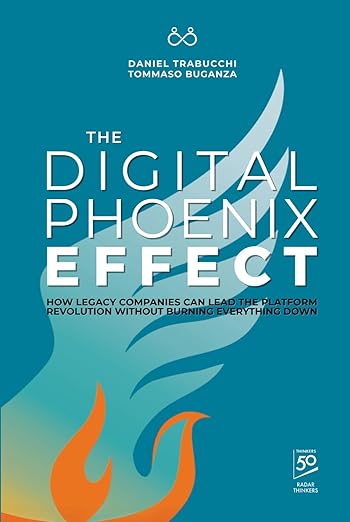
The Digital Phoenix Effect is a masterclass in guiding legacy companies through the complex journey of digital transformation. Authors Tommaso Buganza and Daniel Trabucchi provide a clear, practical framework for embracing the platform revolution without sacrificing what already works. Packed with real-world examples, actionable strategies, and thought-provoking insights, the book shows how organizations can reinvent themselves, adopt a platform mindset, and thrive in today’s fast-paced digital landscape. It’s both a roadmap and a source of inspiration for leaders determined to innovate responsibly.
What sets this book apart is its focus on balance: how to innovate without “burning everything down.” The authors emphasize that transformation doesn’t have to mean disruption for its own sake, and they provide concrete guidance for managing culture, leadership, and business model shifts. Whether you’re a CEO, a senior leader, or anyone involved in digital strategy, The Digital Phoenix Effect offers invaluable lessons on turning legacy into advantage, and emerging stronger, smarter, and more resilient in the digital era.
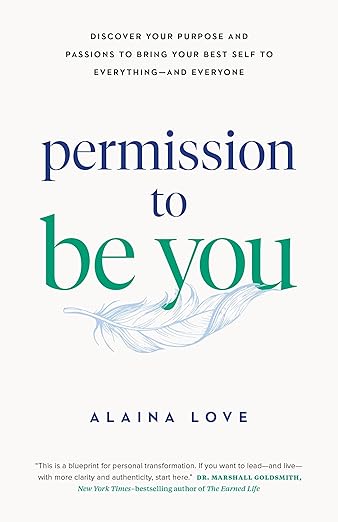
“Permission to Be You” by Alaina Love is a compelling and deeply practical guide for anyone seeking to reconnect with their purpose, passion, and authentic self. Love’s framework, rooted in years of research and leadership experience, shows how our innate passions can drive not only personal fulfilment but also stronger performance and more meaningful relationships at work. Her writing is clear, engaging, and grounded in real stories that make the insights feel both accessible and immediately applicable. This is not just another leadership book, it’s a roadmap for rediscovering what truly energises you.
What makes this book stand out is its blend of science, humanity, and actionable wisdom. Love challenges readers to step beyond the expectations and labels that often shape our identities, inviting us instead to lead from a place of authenticity and purpose. Whether you’re a leader, an aspiring leader, or simply someone feeling disconnected from your work, this book offers powerful tools and reflections that can help you realign your life with what matters most. “Permission to Be You” is inspiring, practical, and, ultimately, liberating, a must-read for anyone ready to embrace who they really are.
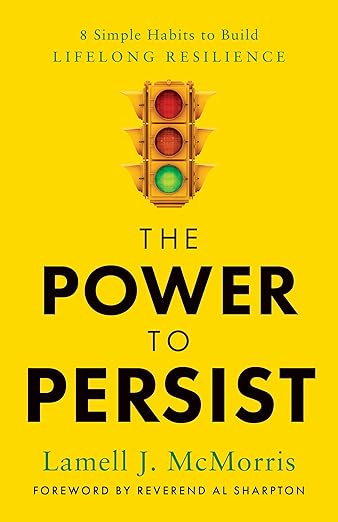
Lamell J. McMorris’ The Power to Persist is a practical and inspiring guide for anyone looking to strengthen their resilience and navigate life’s inevitable challenges. Through eight simple yet powerful habits, McMorris provides actionable strategies that make building mental toughness feel achievable for everyone. What sets this book apart is its clarity and relatability, each habit is explained with real-world examples and stories that show how persistence and consistency can transform both personal and professional life.
Beyond the habits themselves, the book offers a mindset shift: resilience isn’t about being unbreakable; it’s about learning to recover, adapt, and keep moving forward. Whether you’re facing a career setback, personal loss, or simply striving to reach your goals with greater determination, The Power to Persist equips you with the tools to persevere. This is a must-read for anyone committed to personal growth and creating lasting momentum in their life.
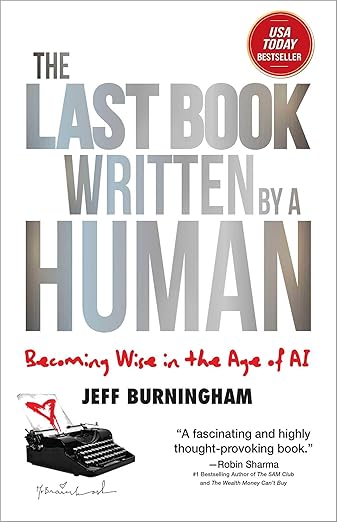
“The Last Book Written by a Human” is a timely, thought-provoking exploration of what it truly means to remain human in an age increasingly shaped by artificial intelligence. Jeff Burningham blends memoir, philosophy, and cultural critique in a way that feels both deeply personal and universally relevant. His stories, from entrepreneurship to public service to spiritual leadership, give the book a grounded authenticity, and his reflections on wisdom, purpose, and presence feel like an invitation rather than a lecture. Burningham doesn’t fall into the trap of pessimism or techno-hype; instead, he offers a balanced, hopeful lens on how we can navigate the future with both humility and intention.
What makes this book stand out is its emotional intelligence. Burningham argues that as machines become smarter, humans must become wiser, and he shows what that actually looks like in everyday life. It’s a call to rediscover the qualities that AI can’t replicate: compassion, curiosity, connection, and courage. Whether you work in tech, leadership, or simply want to understand how to thrive, not just survive, in a rapidly changing world, this book will stay with you long after the final page. Inspiring, accessible, and refreshingly human, it’s a must-read for anyone thinking about the future.
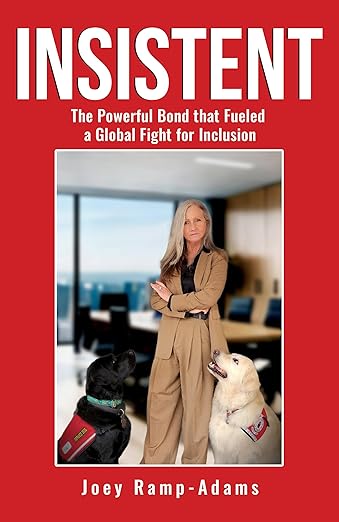
Insistent is an extraordinary memoir that blends courage, conviction, and unshakeable determination into one of the most compelling disability-advocacy stories of our time. Joey Ramp-Adams takes readers inside her world following a catastrophic accident, a moment that shattered her life but also revealed a deeper strength. Through vivid storytelling and raw honesty, she shows what it truly means to rebuild not just a body but an identity. Her partnership with Sampson, the service dog who helped restore her voice, independence, and purpose, is written with such emotional depth that it becomes the beating heart of the book.
What makes Insistent remarkable is that it moves far beyond personal triumph. Ramp-Adams exposes the systemic barriers faced by disabled students, scientists, and service-dog handlers, and she does so with clarity, intelligence, and undeniable moral force. Her fight for inclusion in STEM and higher education is both inspiring and infuriating, a call to action wrapped in a powerful narrative. This is more than a memoir; it’s a blueprint for change and a testament to the impact one person (and brilliant dogs) can have on the world. A must-read for anyone who cares about equality, science, resilience, or the transformative bond between humans and animals.
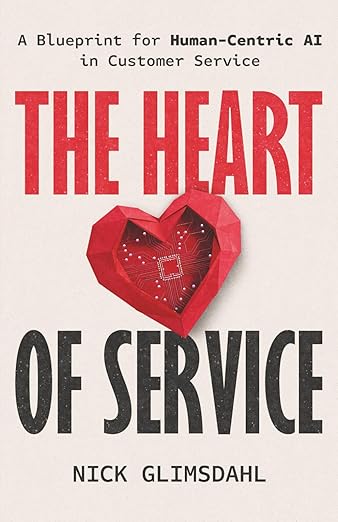
The Heart of Service is a timely and refreshing blueprint for how organisations can leverage AI without sacrificing the human connection that customers value most. Nick Glimsdahl brilliantly cuts through the hype and fear surrounding AI by anchoring the conversation in what truly matters: empathy, trust, and meaningful human experience. Through clear frameworks, engaging stories, and practical guidance, he shows leaders how AI can enhance, not replace, the people who deliver customer service every day. This is not a book about technology for technology’s sake; it’s a book about using technology to lift humanity.
What makes this book stand out is its balance of strategy and heart. Glimsdahl doesn’t just explain how AI works; he explains how AI should feel to the customer and the employee. He challenges outdated thinking, offers a powerful vision for the future of customer service, and gives readers the tools to build an organisation where humans and AI collaborate seamlessly. Whether you're a CX leader, technologist, or simply someone passionate about better customer experiences, The Heart of Service is one of the most important reads of the year and a must-have guide for building service systems that are both intelligent and profoundly human.

Pomp & Circumstance: Why Britain’s Traditions Matter by Penny Mordaunt and Chris Lewis is a thoughtful and accessible exploration of why rituals, ceremony, and long-standing traditions still play a vital role in modern Britain. Far from being nostalgic or backward-looking, the authors argue convincingly that tradition provides continuity in a fast-changing world, helping to anchor national identity, shared values, and social cohesion. Drawing on history, culture, and contemporary examples, the book explains how “pomp” is not about empty pageantry, but about meaning, symbolism, and a collective sense of belonging.
What makes this book particularly engaging is its balanced tone. Mordaunt and Lewis neither romanticise the past nor ignore the need for evolution; instead, they show how traditions can adapt while retaining their core purpose. Whether you are deeply interested in British history or simply curious about why ceremony still resonates in public life, this is a timely and persuasive read. It will leave readers with a deeper appreciation of how traditions shape who we are, and why they remain relevant not just for Britain, but for any society seeking connection and continuity in uncertain times.
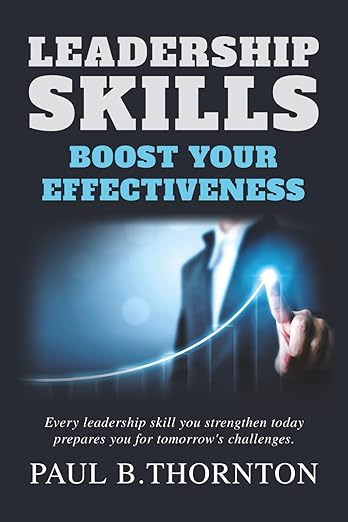
Paul Thornton’s Leadership Skills: Boost Your Effectiveness is a practical and insightful guide for anyone looking to elevate their leadership capabilities. Thornton combines clear frameworks with real-world examples, making complex leadership concepts accessible and actionable. From communication and decision-making to team motivation and personal resilience, the book covers the essential skills every leader needs in today’s fast-paced business environment. What sets it apart is Thornton’s emphasis on self-awareness and reflection, helping readers not just learn techniques but truly understand how to apply them to their unique leadership style.
I particularly appreciated the balance between theory and practice. Each chapter offers exercises, scenarios, and tips that encourage readers to implement what they’ve learned immediately. Whether you are a new manager seeking confidence, an experienced leader aiming to refine your approach, or someone aspiring to lead effectively in any setting, this book provides both guidance and inspiration. Leadership Skills: Boost Your Effectiveness is a must-read for anyone serious about making a positive impact through their leadership.
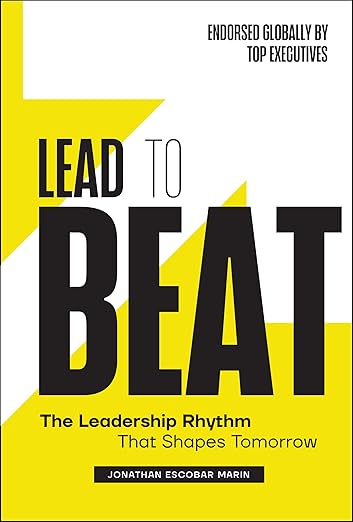
Jonathan Escobar Marin’s Lead to Beat is a profound departure from the static leadership manuals that clutter the business section. Instead of focusing on isolated traits, Marin introduces the revolutionary concept of the "Leadership Rhythm", a dynamic, repeatable cadence that aligns strategy with execution. Drawing on his deep expertise in Lean-Agile transformations and the Shingo Model, he provides a roadmap for leaders who feel their organizations are out of sync. It isn’t just about working harder; it’s about finding the specific pulse that allows an organization to remain agile while pursuing long-term excellence.
What sets this book apart is the bridge it builds between high-level philosophy and the "Gemba", the actual place where work happens. Marin brilliantly articulates how to move away from the exhaustion of daily "firefighting" and toward a sustainable rhythm of continuous improvement. Whether you are an executive looking to scale a global enterprise or a manager trying to foster a more resilient team, Lead to Beat offers the practical tools and the mindset shift necessary to shape a future-ready culture. It is a compelling, essential read for anyone serious about the intersection of purpose, people, and performance.
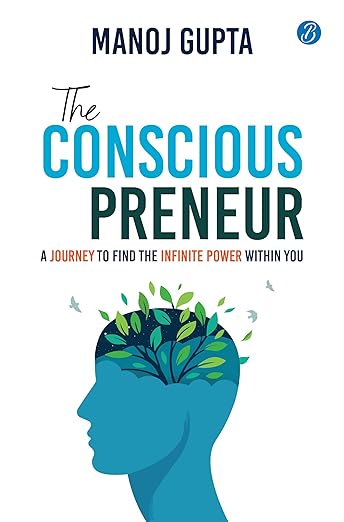
The Consciouspreneur by Manoj Gupta is a compelling guide for leaders who sense that traditional business playbooks are no longer enough. Blending Vedic wisdom, modern science, and practical business strategy, Gupta reframes entrepreneurship as an inner journey that directly shapes outer results. Rather than positioning purpose and profit as opposing forces, the book shows how awareness, clarity, and conscious decision-making become powerful drivers of sustainable growth. It’s written in an accessible, grounded way that makes big ideas like consciousness and presence feel relevant to the everyday realities of founders, CEOs, and senior leaders.
What sets The Consciouspreneur apart is its balance of insight and application. This isn’t a philosophical manifesto, it’s a practical invitation to lead differently in a world defined by volatility, burnout, and constant change. Gupta challenges readers to rethink success, not by doing more, but by leading from a deeper sense of alignment and intention. For anyone looking to build a business that creates impact without sacrificing wellbeing or values, this book offers both inspiration and a clear path forward.
And now a little bit about my books ....

I wrote the first edition of "social selling - techniques to influence buyers and changemakers - 1st edition" (the one with the white cover) back in 2015 and it was published in 2016. It was the first book on social selling to be published. With so many changes that have taken place in social media over time, when Kogan Page, my publisher, approached me and asked for a second edition (the one with the yellow cover), I agreed.
This second edition, has been totally updated from 187 pages to 306. I explain how the world of business has changed with digital and how that impacts the modern buyer and it's a business imperative that we change our sales and marketing.
Many people often think that social selling is some sort of future state. It's not, it's the here and now. DLA Ignite, my company, for example, has clients doing $multi-million deals using social media. If your not doing $multi-million deals on social, your competition are and you are losing market share and revenue.
With this book, I contacted people I knew that were using social media to drive revenue and got them to tell their story. Chris Fleming the CEO of Cyberhawk, shares how he transformed his business to social and digital 3 years ago. Putting that another way, if you haven't transformed to a social selling methodology by now, you are 3 years behind the market.
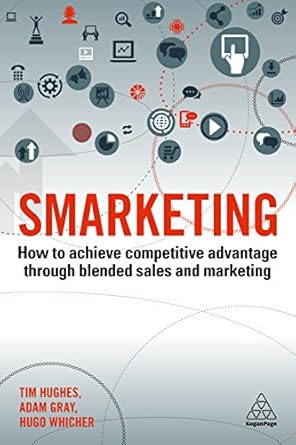
In my second book, "Smarketing - How to achieve competitive advantage through blended sales and marketing" published through Kogan Page, we looked at the age old problem of marketing and sales working together. At the time there was a lot of conversations on social media about how on earth do we get sales and marketing to be one team?
The book, takes a case study, which we cannot mention, it works through the strategy, how to implement a program to implement sales and marketing, the political risks and measures and governance. The book finishes with a look into the future of sales and marketing.
I would admit that if we wrote the book today, we would probably call it Rev-ops (revenue operations).
Please note that some reviews (but not all) I had Chat GPT or Google's Gemini to help me
/Passle/59673246b00e801d00aac5ae/MediaLibrary/Images/2026-10-15-15-05-49-595-6ad0ebcdaa6596dee349f7e9.jpeg)
/Passle/59673246b00e801d00aac5ae/MediaLibrary/Images/2026-10-15-15-43-12-399-6ad0f4900e7e30becd8db157.jpeg)
/Passle/59673246b00e801d00aac5ae/MediaLibrary/Images/2026-10-19-10-26-21-290-6ad5f04ddc6374f63701dcff.jpeg)
/Passle/59673246b00e801d00aac5ae/MediaLibrary/Images/2026-10-15-15-29-32-477-6ad0f15cd13e4bbdf6a7ce6c.jpeg)