I’m often invited onto podcasts to talk about leadership and the biggest lessons I’ve learned over the last decade as a CEO. My answer is always the exact same: Do not let toxicity into your company
I made that mistake. And the worst part about harboring a toxic employee? Everybody else knows they are toxic, and they are watching you fail to deal with it
The Cost of Inaction
This particular person was with us for 18 months. During that time, Slack became an absolute minefield. Every idea, every post, every initiative was met with the same one-word critique: “Shit.” That was their default response to everything
After multiple instances of this, I finally called his bluff. I gave him the autonomy and the opportunity to make the changes he claimed we needed. Of course, he couldn't deliver. His constant tearing down of others didn't come from a drive for operational excellence; it came from a deep-seated need to be negative
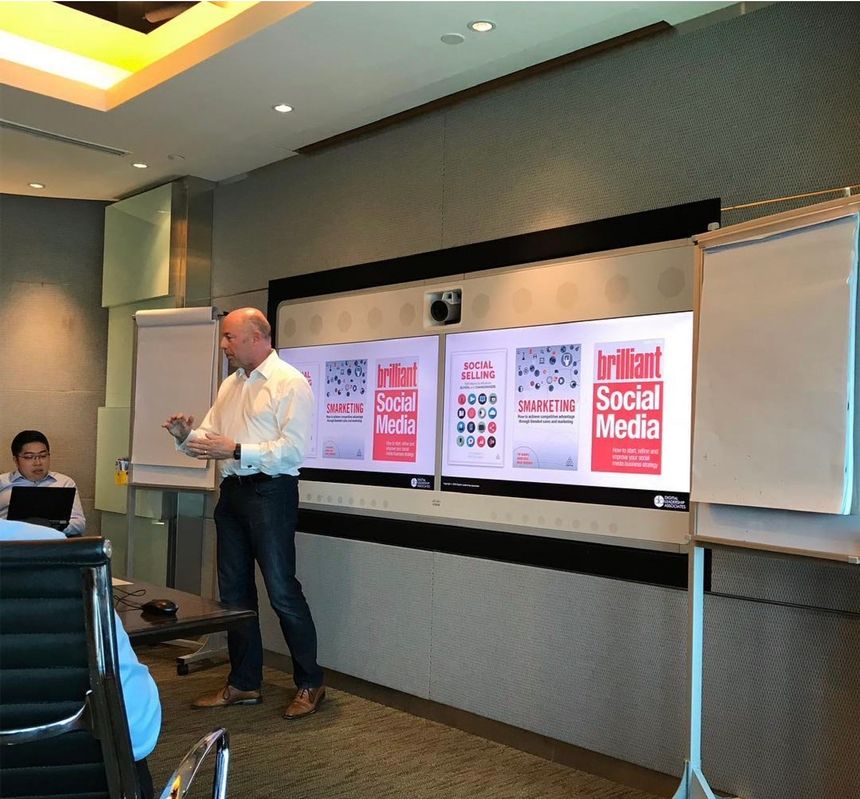
The arrogance was astounding. I vividly recall being in a customer meeting right after he read SMarketing, the book Adam and I wrote about merging sales and marketing teams. He brazenly told me he could have written it himself
My response? “But you didn't, did you?”
We found this individual couldn't sell and he admitted that during his corporate career, sales tended to “fall in his lap”. So to help him out we gave him a piece of work that I had sold. It was in effect free money to him. And the thanks we got?
The client contacted me a few months into the contract and told us, this individual had told the client we were ripping them off (we were not) and that this individual told the client he would do the work for half the price if they cut us out and contacted with him direct
The day he finally left the company felt like a profound release. It was as if a massive physical weight was lifted off my shoulders. Instantly, Slack became a fun, collaborative place again
Dealing with Toxicity: My Framework for Action
Reflecting on those 18 months taught me some brutal but necessary rules for protecting a company culture:
Trust Your Gut (and the Room): If you feel an energy shift when a certain person types in Slack or walks into a room, you aren't imagining it. Your team feels it too
Call the Bluff Early: Toxic people love to critique from the sidelines. Pull them into the game. If they say a process is terrible, task them with fixing it by Friday. When they fail to execute, they expose their own lack of substance
Silence is Compliance: Every day you allow a toxic person to stick around, you are telling your top performers that you value the disruptor more than their peace of mind
Conclusion
As a leader, your primary job isn't just to drive revenue; it’s to protect the environment that makes revenue possible. Bad hires happen, but letting them linger is a leadership failure. Cut the cord quickly. Your team’s sanity and your own depends on it
 unknownx500