

In the world of enterprise technology, few things are as messy, or as fascinating, as a merger between two fundamentally different worlds
I learned this first-hand while working on a deal for a company called Salt Union
On the surface, salt is salt
But beneath the business requirements lay a technical puzzle that perfectly illustrates the divide in modern industry
A Tale of Two Salts
The Salt Union merger wasn't just a joining of two balance sheets; it was a collision of two distinct manufacturing philosophies:
The Miners (Discrete Manufacturing): The first entity mined rock salt directly from the earth. This is a classic example of discrete manufacturing, where products are distinct items that can be counted, touched, and seen as individual units.
The Refiners (Process Manufacturing): The second entity took brine, originally a waste product from an unrelated manufacturing process, and refined it into high-quality table salt for cooking. This is process manufacturing, where ingredients are blended or refined via chemical or thermal conversion. You can’t "un-mix" the brine once it’s processed
Managing these two disparate workflows within a single ERP (Enterprise Resource Planning) system is a nightmare that keeps IT directors awake at night
The CIO and the "Tech Pack"
The man tasked with navigating this complexity was the CIO, Walter Riley. His name was pronounced exactly like the Elizabethan explorer, Sir Walter Raleigh, and he navigated the corporate waters with a similar level of weary wisdom
During our first project meeting, after Walter had meticulously outlined the budget and business requirements, he paused and leaned back
He looked at the crowd of consultants and account managers in the room and asked a poignant question:
“Why is it that when tech suppliers get bigger, do they always hunt in packs?”
It was a sharp observation of how the "sales" experience changes as you move up the food chain
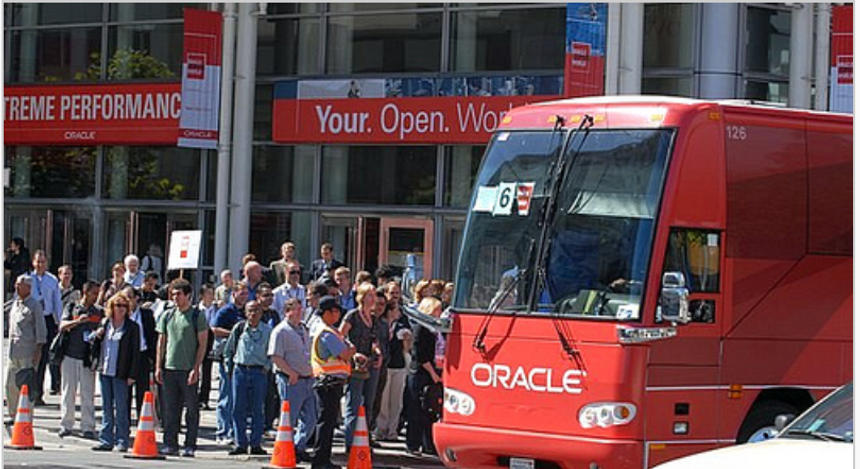
From Lone Wolves to the "Oracle Bus"
Walter’s comment highlighted a stark contrast in the tech industry.
The Small Company Experience: When I worked at smaller firms, I was a one-man army. I was the salesperson, the demo specialist, the project manager, and, when things got tight, the one chasing down unpaid invoices. It was lean, agile, and intimate.
The Enterprise Reality: By the time I reached Oracle, the "lone wolf" era was over. We referred to it internally as the “Oracle Bus.” We never showed up to a meeting with just one person. There was a specialist for the database, an expert for the application, a "relationship manager," and a technical architect. Quite often, our "bus" would arrive and we would find ourselves outnumbering the customer’s entire project team
Conclusion
The Salt Union deal remains a vivid memory for me because it captured the duality of the tech world
On one hand, you have the technical grit of merging discrete mining with process refining
On the other, you have the cultural shift of the "Oracle Bus," where the simplicity of a single point of contact is replaced by a specialized, albeit crowded, corporate pack
Walter Riley was right to be skeptical, while hunting in packs brings more expertise to the table, it’s the lone explorer’s spirit that usually finds the path through the brine
/Passle/59673246b00e801d00aac5ae/MediaLibrary/Images/2026-10-15-15-05-49-595-6ad0ebcdaa6596dee349f7e9.jpeg)
/Passle/59673246b00e801d00aac5ae/MediaLibrary/Images/2026-10-15-15-43-12-399-6ad0f4900e7e30becd8db157.jpeg)
/Passle/59673246b00e801d00aac5ae/MediaLibrary/Images/2026-10-19-10-26-21-290-6ad5f04ddc6374f63701dcff.jpeg)
/Passle/59673246b00e801d00aac5ae/MediaLibrary/Images/2026-10-15-15-29-32-477-6ad0f15cd13e4bbdf6a7ce6c.jpeg)