


If you ever find yourself in the southern regions of Africa, particularly Zambia or Tanzania, you might have the chance to take part in a walking safari
Unlike the safety of a vehicle, walking through the bush brings you eye-to-eye with the raw reality of the wild
For those who might feel nervous, experienced guides take every precaution
They bring along a local scout carrying a Lee-Enfield bolt-action rifle, not to harm animals, but as a last-resort deterrent, firing into the air if a dangerous situation unfolds
Walking safaris are often nicknamed “birds and turds"
The focus is on tracking birds, identifying footprints, and, yes, analyzing droppings
You quickly learn that animal dung tells a fascinating story
For example, elephants are not the most efficient digesters, so their droppings are little ecosystems of their own, nourishing beetles and helping seeds germinate in a nutrient-rich environment
This particular outing, our guide was constantly scanning the ground for tracks and assessing the freshness of what we passed, an unspoken but crucial risk assessment
As we approached a stand of trees, we came across an elephant dung pile so fresh it was still steaming
Our guide raised his hand, signaling us to stop
He leaned in and whispered, “Be very quiet and very still”
I looked up and suddenly saw what he had already noticed and my heart skipped a beat
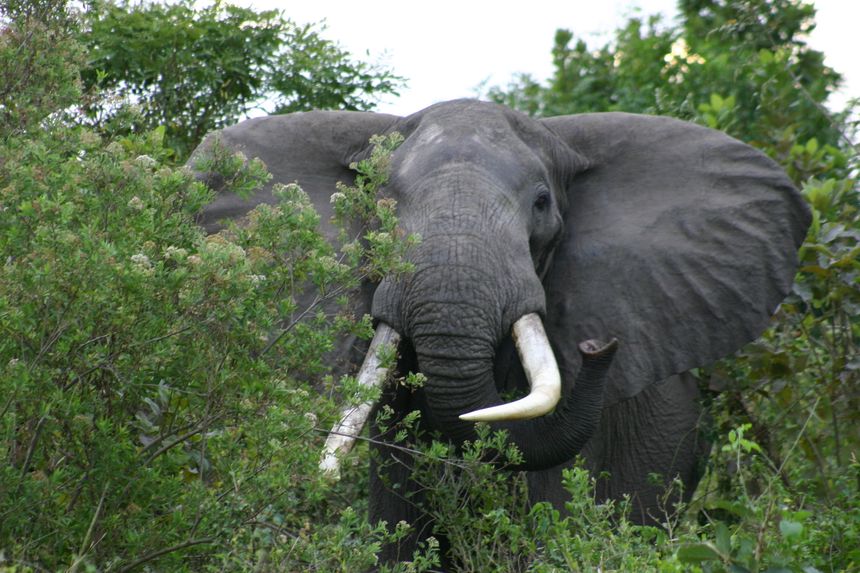
A solitary bull elephant was standing just ahead, perfectly camouflaged in the bushes
Several things about the situation were concerning
Elephants are herd animals; the fact that this one was alone hinted at trouble
The wind had been in our favour, which explained how we got so close unnoticed
The elephant then looked at us, flared his ears, classic pre-charge behavior
Our local scout raised his rifle
We stood frozen, silent, adrenaline pumping
Even the most confident in the group suddenly looked pale
Then something unexpected happened, the scout lowered his rifle and stifled a laugh, hand over his mouth
That’s when we noticed the massive fallen tree between us and the elephant
For the animal to charge, it would have had to push the tree aside, an unlikely choice
We slowly backed away, keeping our eyes on the bull
Later, the guides explained that this was likely a young male who had been kicked out of the herd after a dispute with a dominant bull
He was hiding, nursing his wounds, and probably waiting until he was strong enough to challenge again or get eaten by a passing Lion
That night, we listened carefully for any sounds that might indicate a fight or attack, but none came
We like to think he lived to fight another day
Conclusion
Walking safaris offer far more than just exercise, they teach respect for the bush, its rhythms, and its risks
They remind us that we are visitors in the animals’ world, not the other way around
The experience of standing just meters away from a wild elephant, heart pounding, was a lesson in humility, patience, and the importance of coexistence
/Passle/59673246b00e801d00aac5ae/MediaLibrary/Images/2026-10-15-15-05-49-595-6ad0ebcdaa6596dee349f7e9.jpeg)
/Passle/59673246b00e801d00aac5ae/MediaLibrary/Images/2026-10-15-15-43-12-399-6ad0f4900e7e30becd8db157.jpeg)
/Passle/59673246b00e801d00aac5ae/MediaLibrary/Images/2026-10-19-10-26-21-290-6ad5f04ddc6374f63701dcff.jpeg)
/Passle/59673246b00e801d00aac5ae/MediaLibrary/Images/2026-10-15-15-29-32-477-6ad0f15cd13e4bbdf6a7ce6c.jpeg)