


In 2004, we set off for a two-week adventure in Zambia
The first week was the classic safari experience, the kind you find in North and South Luangwa National Parks, where lions, giraffes, antelope, elephants, and hippos roam freely across the plains
But for the second week, we wanted something different
We chartered a small Cessna plane and flew to Shiwa Ng’andu, an extraordinary estate built by Stewart Gore-Browne in the early 20th century
(For more information, read “African House” by Christina Lamb)
Shiwa isn't just another colonial relic
Gore-Browne, uncomfortable with the attitudes of many settlers toward African people, set out to create a utopian community
Brick by brick, with the help of local craftsmen, he built the estate, importing certain comforts from the UK
By 1925, Shiwa Ng’andu was employing 1,800 local people, supporting schools and a hospital under his benevolent leadership
Today, his son Charlie runs the farm, having restored both the school and the clinic
He told us about the “1 in 10” principle, that one employed person in the community often supports ten other family members
That he said “was a massive responsibility, and he had a duty to make it part of any decision they made”, “you cannot just fire people here, every life has a consequence”
Before our visit, we asked what gifts we could bring for the school
With strict luggage limits on the Cessna, (12Kg) options were limited
We considered Harry Potter books, but they already had them
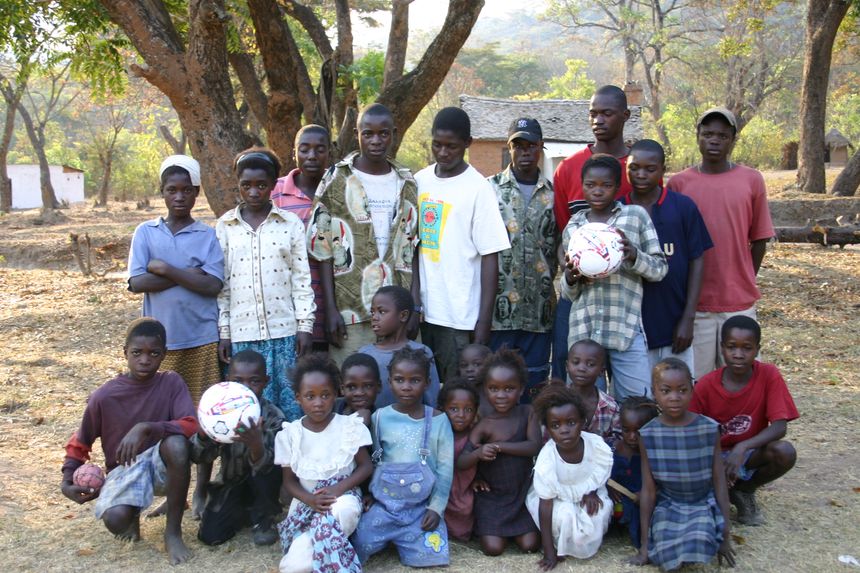
Their request was simple: two footballs
We brought them, and gifted them to the children and the village
The joy on their faces said everything
The photograph we took that day captures pure gratitude, a reminder that the language of football is truly universal
Conclusion:
That trip taught me something profound
The safari showed us nature’s wild beauty, but Shiwa Ng’andu showed us humanity’s shared spirit
Whether in a Zambian village or anywhere else in the world, connection often begins with something as simple as a ball, a smile, and the willingness to share
/Passle/59673246b00e801d00aac5ae/MediaLibrary/Images/2026-09-22-15-50-51-738-6ab2a3dbcb5b8c6c06aef21c.jpeg)
/Passle/59673246b00e801d00aac5ae/MediaLibrary/Images/2026-09-25-15-46-19-636-6ab6974b0a48f74b55a7dd12.jpeg)
/Passle/59673246b00e801d00aac5ae/MediaLibrary/Images/2026-09-28-16-53-50-279-6aba9b9ea556c8efb06adb27.png)
/Passle/59673246b00e801d00aac5ae/MediaLibrary/Images/2026-09-25-15-42-42-003-6ab69672aa59c95e262d04c4.jpeg)