


“Do you work above or below the algorithm?”
That’s the question Sangeet Paul Choudary poses in his new book Reshuffle: Who Wins When AI Restacks the Knowledge Economy.
In any algorithmically managed system of work, there are two positions:
Above-the-algorithm: Workers who leverage algorithms to amplify their efforts and achieve outsized results
They understand the coordination logic and use it to their advantage
Below-the-algorithm: Workers whose tasks and productivity are managed by algorithms
Their work is allocated, monitored, and guided by algorithmic systems, leaving little room for creativity or personal differentiation
The difference is easy to see in ride-sharing
An Uber data scientist designs the algorithm that optimizes routes and matches drivers with riders, operating above the algorithm
The Uber driver, on the other hand, works within those parameters, completing tasks that are increasingly standardised
So where do humans fit in?
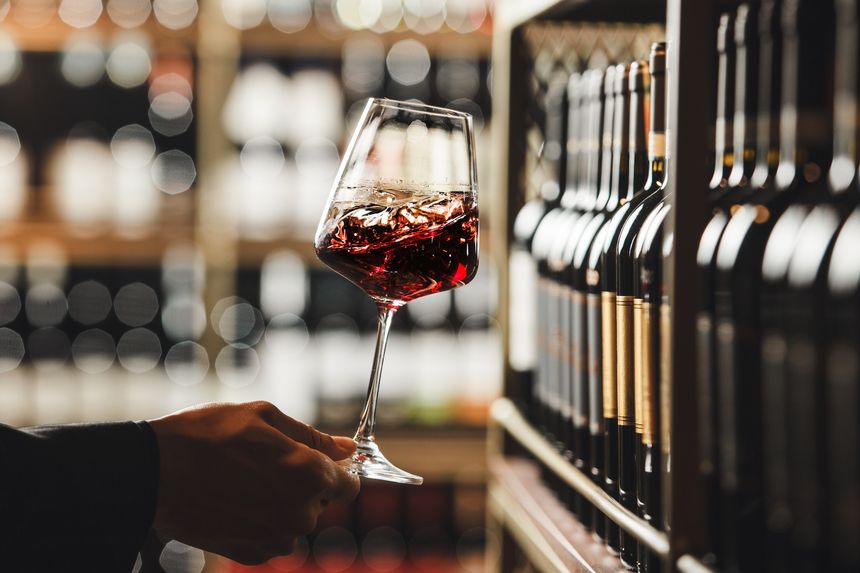
Consider wine. A bottle might sell for $80 in a store, but a restaurant charges $400
Why? The sommelier
They tell a story about the vineyard, a sixth-generation family, and the tradition behind each bottle
Diners think they’re buying wine, but they’re really buying the sommelier’s humanity, their personality, charm, and trust
In an age when anyone can look up tasting notes on a smartphone, the sommelier’s role could have been an early casualty of information commoditisation
But it survives because human connection (like trust and relationships in sales) can’t be automated
Conclusion:
Whether you work above or below the algorithm, your greatest long-term advantage isn’t in competing with AI, it’s in bringing uniquely human value to the table
Data can inform
Algorithms can optimise
But trust, empathy, and authentic connection remain the ultimate differentiators in an AI-powered world
/Passle/59673246b00e801d00aac5ae/MediaLibrary/Images/2026-10-15-15-05-49-595-6ad0ebcdaa6596dee349f7e9.jpeg)
/Passle/59673246b00e801d00aac5ae/MediaLibrary/Images/2026-10-15-15-43-12-399-6ad0f4900e7e30becd8db157.jpeg)
/Passle/59673246b00e801d00aac5ae/MediaLibrary/Images/2026-10-19-10-26-21-290-6ad5f04ddc6374f63701dcff.jpeg)
/Passle/59673246b00e801d00aac5ae/MediaLibrary/Images/2026-10-15-15-29-32-477-6ad0f15cd13e4bbdf6a7ce6c.jpeg)