

Here are the review for the last 10 books I read, hope you enjoy the books as much as I did
And don't forget to leave the authors reviews as well, it really helps them with more sales, it only takes a few minutes and makes a big difference to them
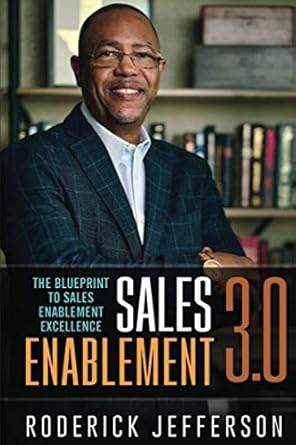
"Sales Enablement 3.0: The Blueprint to Sales Enablement Excellence" by Roderick Jefferson is a masterclass in the evolving world of sales enablement. With over two decades of experience, Jefferson distills complex strategies into practical, digestible insights that any sales professional, from frontline reps to leadership, can implement. His hands-on approach to building a holistic enablement strategy aligns teams, tools, and techniques for maximum impact. The book is rich with case studies and actionable takeaways, making it invaluable for both those new to the field and seasoned professionals looking to refine their approach.
One of the standout elements of the book is its focus on the importance of communication and collaboration across departments, a theme that Jefferson emphasizes as key to sustainable success. He skillfully bridges the gap between sales, marketing, and customer success, showing how integrated efforts result in better outcomes. Jefferson's voice is both authoritative and accessible, making this not just a guide but a go-to resource for anyone aiming to drive sales performance and enhance customer engagement. If you’re serious about taking your sales enablement efforts to the next level, this book should be at the top of your list.
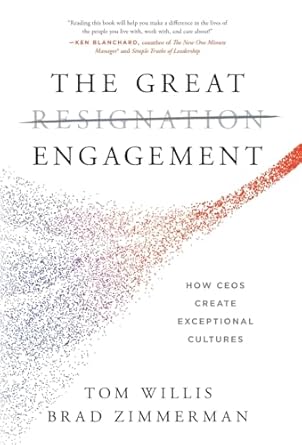
The Great Engagement: How CEOs Create Exceptional Cultures by Tom Willis is an insightful exploration into the art and science of building vibrant organizational cultures. Willis draws on years of leadership experience, presenting clear strategies for fostering engagement at every level of a company. This book goes beyond traditional management theories by focusing on the specific role CEOs play in shaping a thriving culture. Through real-world case studies and actionable frameworks, Willis highlights how a CEO's commitment to authentic leadership, vision, and communication can transform a workplace into a dynamic environment where innovation and collaboration flourish.
One of the standout features of The Great Engagement is its practical approach. Willis provides readers with tangible steps and tools that leaders can implement immediately to improve engagement and culture within their organizations. The book’s emphasis on aligning values with actions resonates deeply, offering a fresh perspective on what it takes to cultivate loyalty and high performance. Overall, The Great Engagement is a must-read for any leader looking to create a purpose-driven company that inspires and motivates its workforce.

TJ Walker's Building an Interactive AI Video Clone is a groundbreaking exploration of the potential that AI technology holds for revolutionizing personal and professional communication. Walker takes readers on a practical journey, demystifying the complexities of creating a digital clone that mirrors your personality and communication style. The book strikes a balance between technical know-how and accessible guidance, making it ideal for both tech-savvy readers and beginners looking to harness the power of AI for content creation, customer engagement, or brand building. Walker’s clear, step-by-step instructions and real-world examples make this book a must-read for anyone eager to enhance their digital presence in today's fast-paced, tech-driven world.
What sets this book apart is Walker's ability to combine his vast knowledge of communication strategies with cutting-edge technology. He doesn’t just focus on the "how" but also on the "why," urging readers to think about the ethical and strategic implications of deploying AI-powered video clones. The blend of technical depth and insightful commentary ensures that readers walk away with not just the skills to create an AI clone but also the understanding to use it responsibly and effectively. Whether you’re an entrepreneur, educator, or thought leader, this book offers a transformative toolkit for personalized communication that feels both futuristic and remarkably practical.
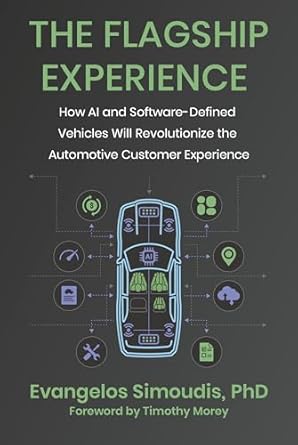
Evangelos Simoudis's The Flagship Experience: How AI and Software-Defined Vehicles Will Revolutionize the Automotive Customer Experience offers a forward-thinking exploration of how the automotive industry is on the cusp of a monumental shift. By integrating AI and the concept of Software-Defined Vehicles, Simoudis reimagines the customer experience, emphasizing a shift from vehicle-centric to customer-centric strategies. The book delves into how automakers can capitalize on big data, digital configurability, and continuous updates to create new monetization opportunities throughout a vehicle's lifecycle. With detailed insights and practical frameworks, Simoudis addresses the challenges of transitioning to electric and autonomous mobility while also proposing innovative subscription models and advanced safety features that could redefine consumer interaction with vehicles.
What makes this book particularly compelling is its comprehensive analysis, informed by industry leaders, which lends credibility to its predictions. While it raises ethical questions about data collection and cybersecurity, which remain inadequately resolved, the book succeeds in painting a detailed and optimistic vision of the future of mobility. Industry professionals and technology enthusiasts alike will find this an essential read for understanding the intersection of AI, mobility, and customer experience in a rapidly evolving landscape
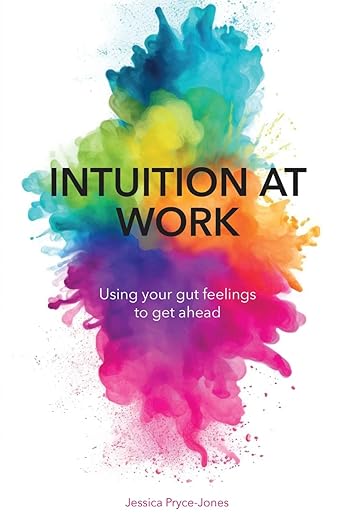
Jessica Pryce-Jones’ Intuition at Work: Using Your Gut Feelings to Get Ahead is a compelling exploration of how intuition—often dismissed as "soft" or unscientific—can become a powerful tool for professional success. Drawing on a combination of neuroscience, psychology, and real-world examples, Pryce-Jones demystifies the art of trusting your instincts in the workplace. The book is not just theoretical; it provides actionable strategies for recognizing and honing intuition to make better decisions, improve relationships, and gain a competitive edge. Her writing is engaging and accessible, making complex concepts easy to understand and immediately applicable, whether you're a seasoned leader or just starting your career.
What sets this book apart is its balance between science and practicality. Pryce-Jones doesn't romanticize intuition; instead, she grounds it in evidence, showing how gut feelings are rooted in our subconscious processing of information. The exercises and case studies included add depth, helping readers connect the dots between intuition, critical thinking, and emotional intelligence. This book is a must-read for anyone looking to navigate the complexities of modern work environments with confidence and clarity. It challenges readers to rethink how they approach decision-making, offering a fresh perspective on a skill that many overlook but could change the game for their careers.
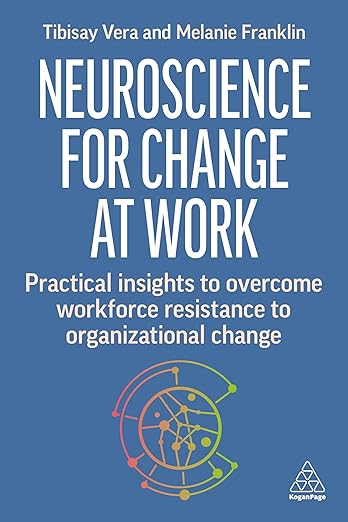
"Neuroscience for Change at Work" is a refreshing departure from traditional change management literature. By delving into the fascinating world of neuroscience, authors Vera and Franklin provide a compelling framework for understanding and addressing workforce resistance to organizational change. This book isn't just about theory; it's a practical guide packed with actionable insights. The authors skillfully translate complex scientific concepts into easily digestible language, making the book accessible to a wide range of readers. Whether you're a seasoned change manager or simply someone who wants to better understand human behavior, this book offers valuable tools and strategies to drive successful change initiatives.
A Must-Read for Change Leaders
One of the book's greatest strengths is its focus on the emotional and cognitive aspects of change. By understanding how the brain reacts to change, leaders can develop more effective communication strategies, build trust, and create a positive change environment. The authors also explore the role of neuroscience in fostering innovation, resilience, and well-being in the workplace. This book is a game-changer for anyone involved in leading change. It provides a scientifically grounded approach to overcoming resistance, building buy-in, and ultimately achieving organizational success.
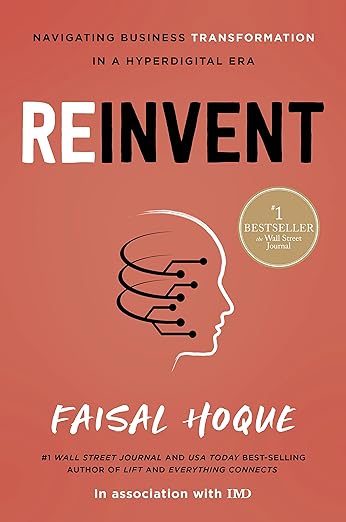
Faisal Hoque's "Reinvent" is a comprehensive guide for business leaders navigating the complexities of digital transformation. Hoque, a seasoned entrepreneur and thought leader, offers a pragmatic approach to understanding the "why, how, and what" of organizational change. The book's central focus is the LIFTS framework, a five-step process designed to guide businesses through the transformative journey.
While "Reinvent" provides valuable insights and actionable strategies, some readers may find the content dense and technical at times. However, Hoque's real-world examples and case studies help to illustrate the concepts effectively. Overall, "Reinvent" is a valuable resource for executives seeking to drive innovation and secure a competitive edge in the digital age.
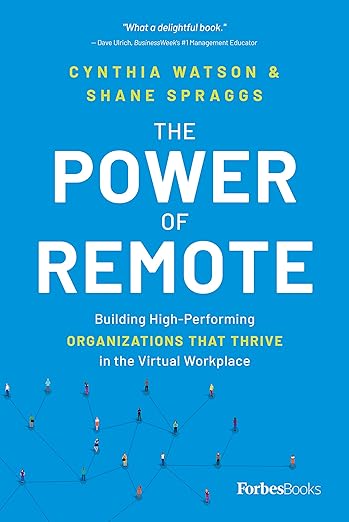
The Power of Remote by Cynthia Watson and Shane Spraggs is a timely and insightful exploration of the evolving landscape of remote work. This book offers a practical and data-driven approach to building high-performing organizations in a virtual environment.
The authors delve into a wide range of topics, from leadership strategies to team dynamics and employee engagement. They provide actionable insights and real-world examples to help organizations navigate the challenges and opportunities of remote work. Whether you're a seasoned remote worker or a leader transitioning to a virtual workplace, this book offers valuable guidance.
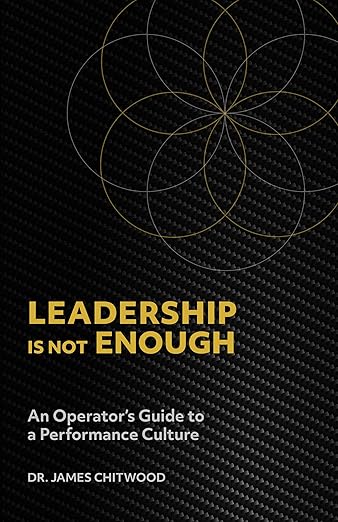
Dr. James Chitwood's "Leadership is not Enough" offers a refreshing and insightful perspective on the critical role of performance culture in driving organizational success. Moving beyond traditional leadership theories, this book delves into the intricate dynamics of creating an environment where high performance thrives. Chitwood masterfully blends academic rigor with practical, actionable advice, making it an invaluable resource for leaders at all levels. He emphasizes the importance of aligning individual and team goals with organizational objectives, fostering a culture of continuous improvement, and empowering employees to take ownership of their work.
The book's strength lies in its ability to translate complex concepts into clear, concise language, making it accessible to a wide audience. The TRAC system is an example of this. Chitwood provides numerous real-world examples and case studies to illustrate his points, making the concepts relatable and easily applicable to various organizational contexts. Whether you're a seasoned executive or an aspiring manager, "Leadership is not Enough" provides a roadmap for building a high-performing organization by cultivating a culture that empowers, motivates, and inspires.
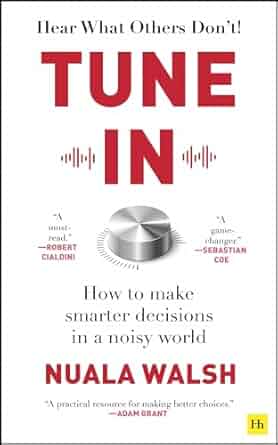
In "Tune In," Nuala Walsh provides a refreshing and insightful guide to navigating the overwhelming noise of the modern world and making smarter decisions. Walsh masterfully blends neuroscience, psychology, and behavioral economics to illuminate the hidden biases and mental traps that hinder our judgment. Through compelling examples and practical exercises, she empowers readers to cultivate a mindful approach to decision-making, emphasizing the importance of tuning in to diverse perspectives and embracing critical thinking. This book is a must-read for anyone seeking clarity and confidence in their choices.
Walsh's writing is both engaging and accessible, making complex concepts easily digestible for a wide audience. "Tune In" is not just a theoretical exploration; it offers actionable strategies for improving decision-making in various aspects of life, from personal relationships to professional endeavors. By recognizing our own biases and understanding the influences that shape our thinking, we can become more discerning consumers of information and make choices that align with our values and goals. With its insightful guidance and practical tools, "Tune In" is an invaluable resource for anyone seeking to enhance their judgment and thrive in today's complex world.

I wrote the first edition of "social selling - techniques to influence buyers and changemakers - 1st edition" (the one with the white cover) back in 2015 and it was published in 2016. It was the first book on social selling to be published. With so many changes that have taken place in social media over time, when Kogan Page, my publisher, approached me and asked for a second edition (the one with the yellow cover), I agreed.
This second edition, has been totally updated from 187 pages to 306. I explain how the world of business has changed with digital and how that impacts the modern buyer and it's a business imperative that we change our sales and marketing.
Many people often think that social selling is some sort of future state. It's not, it's the here and now. DLA Ignite, my company, for example, has clients doing $multi-million deals using social media. If your not doing $multi-million deals on social, your competition are and you are losing market share and revenue.
With this book, I contacted people I knew that were using social media to drive revenue and got them to tell their story. Chris Fleming the CEO of Cyberhawk, shares how he transformed his business to social and digital 3 years ago. Putting that another way, if you haven't transformed to a social selling methodology by now, you are 3 years behind the market.

In my second book, "Smarketing - How to achieve competitive advantage through blended sales and marketing" published through Kogan Page, we looked at the age old problem of marketing and sales working together. At the time there was a lot of conversations on social media about how on earth do we get sales and marketing to be one team?
The book, takes a case study, which we cannot mention, it works through the strategy, how to implement a program to implement sales and marketing, the political risks and measures and governance. The book finishes with a look into the future of sales and marketing.
I would admit that if we wrote the book today, we would probably call it Rev-ops (revenue operations).
Please note that some reviews (but not all) I had Chat GPT or Google's Gemini to help me.

/Passle/59673246b00e801d00aac5ae/MediaLibrary/Images/2026-09-22-14-19-52-525-6ab28e88af556e9074385ab2.jpeg)
/Passle/59673246b00e801d00aac5ae/MediaLibrary/Images/2026-09-22-15-50-51-738-6ab2a3dbcb5b8c6c06aef21c.jpeg)
/Passle/59673246b00e801d00aac5ae/MediaLibrary/Images/2026-09-25-15-46-19-636-6ab6974b0a48f74b55a7dd12.jpeg)
/Passle/59673246b00e801d00aac5ae/MediaLibrary/Images/2026-09-28-16-53-50-279-6aba9b9ea556c8efb06adb27.png)