

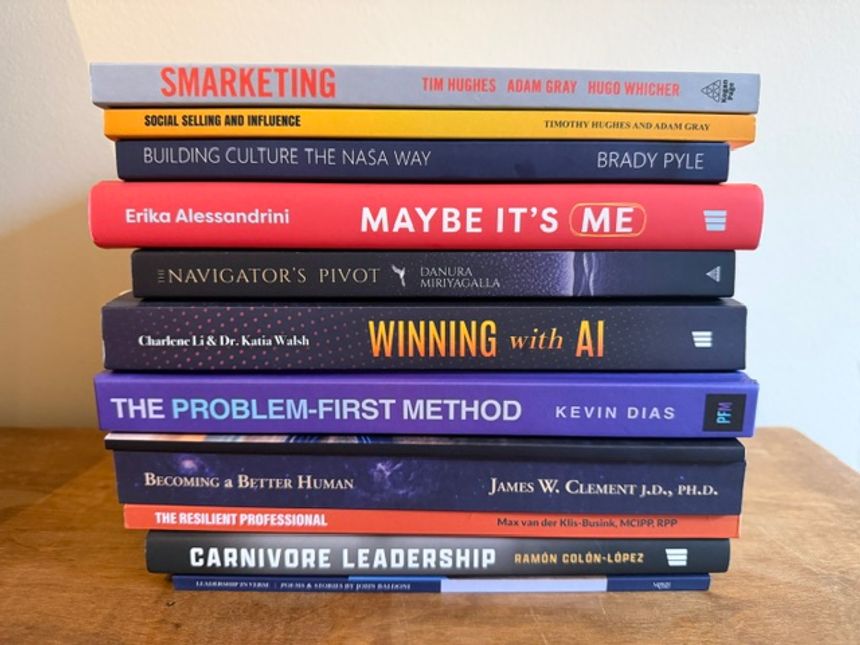
Here are the ten business books that have shaped my thinking most recently, a mix of bold ideas, sharp insights, and a few genuine game-changers
I’ve pulled together short reviews for each, and I hope they spark your curiosity as much as they did mine
And a small favour: if you read any of these books, please leave a review
It makes a bigger difference to us authors than you might imagine
If you want to follow the books I’m reading in real time (without waiting for the reviews), head over to the DLA Ignite LinkedIn page and hit follow
Plenty more ideas and inspiration waiting there
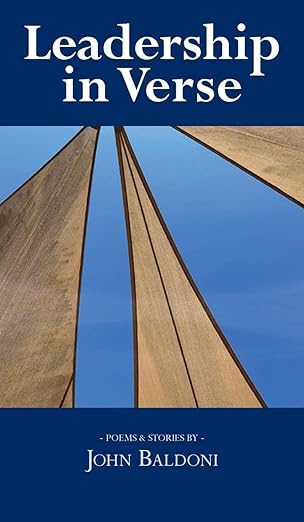
In a business landscape saturated with clinical, data-driven frameworks and exhausting "hustle" culture, John Baldoni’s Leadership in Verse: Poems & Stories arrives as a deeply necessary, soulful intervention. Moving away from the cold mechanics of traditional management books, Baldoni explores leadership as a fundamentally moral, relational, and deeply human practice. The book’s brilliant tactical choice is its use of poetic compression and short stories, which deliberately forces hyper-busy managers to slow down and reflect. By replacing traditional KPIs and spreadsheets with core virtues like grace, humility, and solitude, Baldoni offers a practical roadmap for maintaining character and conduct under the heavy emotional toll of corporate pressure.
What makes this collection so impactful is its raw, balancing perspective on the realities of organizational life. Baldoni doesn't shy away from the ugly, unspoken shadows of the modern workplace, such as the psychological trauma of sudden downsizing exposed in his poem "Fire ’em", but he beautifully balances these hardships with aspirational, historical portraits of character formed through suffering. From the timeless leadership lessons of Homer and Shakespeare to the real-life humility of figures like Jimmy Carter, Abraham Lincoln, and Pope Francis, this book proves that leadership is a habit of service rather than a status of authority. For any executive, manager, or coach navigating the fog of burnout and organizational change, Leadership in Verse serves as an essential mirror and compass.
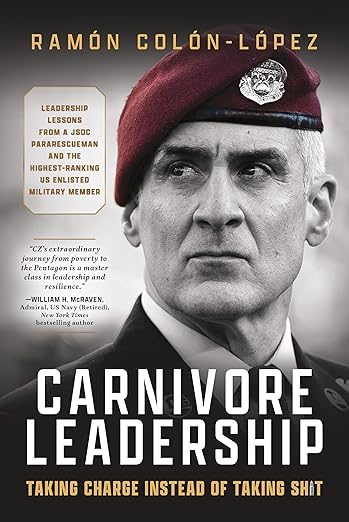
Carnivore Leadership: Taking Charge Instead of Taking S**t is a fierce, refreshing, and badly needed antidote to the passive, overly cautious management styles that plague modern organizations. Drawing from a legendary career in special operations and as the Senior Enlisted Advisor to the Chairman of the Joint Chiefs of Staff (SEAC), Ramon "Ray" Colon-Lopez delivers a masterclass in unapologetic authority. He strips away the fluff of typical corporate self-help books and replaces it with battle-tested "Silver Bullets" of leadership. By contrasting the aggressive, mission-focused "carnivore" mindset with the complacent "herbivore" approach, Ray lays down a raw and deeply practical blueprint for anyone looking to eliminate excuses, establish unshakeable boundaries, and drive their team toward peak execution.
What makes this book truly stand out is its perfect balance of high-stakes military principles and real-world application. Ray doesn’t just demand excellence; he teaches you exactly how to build a culture of radical accountability and command respect without sacrificing empathy or integrity. The writing is punchy, direct, and incredibly motivating, filled with gripping firsthand insights from the absolute apex of the U.S. Armed Forces. Whether you are an aspiring entrepreneur, a corporate executive, or someone looking to take total ownership of your personal life, Carnivore Leadership is an essential read that will challenge you to stop settling for mediocrity and start leading from the front.
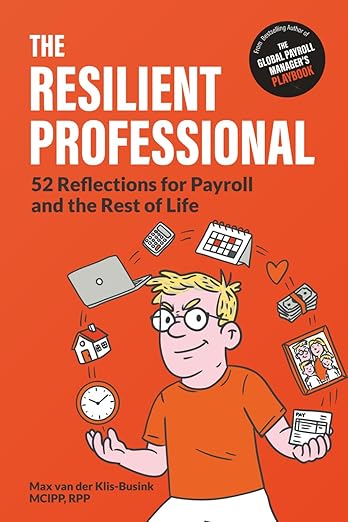
Max van der Klis-Busink has delivered something truly rare: a book that treats the high-stakes, fast-paced world of payroll not just as a corporate function, but as a profound testing ground for human character. Drawing on his deep industry expertise and a grounded appreciation for Stoic philosophy, The Resilient Professional cuts through the usual corporate buzzwords to offer genuine, hard-won wisdom. Max brilliantly articulates the unique pressures of a profession where "no news is good news," transforming the daily chaos of deadlines and compliance into powerful lessons on mental fortitude, boundaries, and self-preservation. It is a validating, empathetic read that makes you feel deeply understood as a professional.
What makes this book a must-read, however, is how seamlessly it bridges the gap between the office and everyday life. Structuring the book into 52 weekly reflections is a stroke of genius, offering a digestible, year-long roadmap for personal growth that prevents reader burnout. Whether you are managing global payroll teams or simply trying to navigate the complexities of a demanding modern career, the practical insights on protecting your energy and embracing change are universal. The Resilient Professional is more than just a career guide; it is a thoughtful companion for anyone looking to build a bulletproof mindset, find calm in the chaos, and truly thrive in all areas of life. Highly recommended!
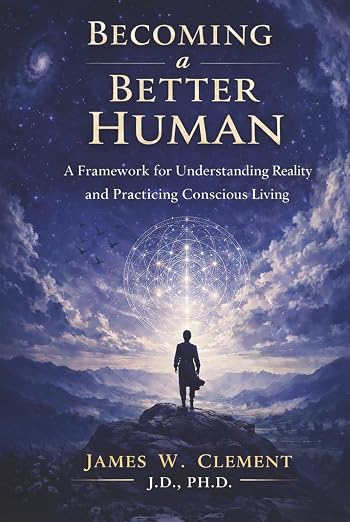
James W. Clement’s Becoming a Better Human: A Framework for Understanding Reality and Practicing Conscious Living is a profound, non-dogmatic guide that looks past standard self-help motivational tropes to address the structural roots of human suffering. Drawing beautifully from a blend of science, philosophy, and global spiritual traditions, Clement introduces a logical model of reality that clarifies the relationship between human awareness, the ego, and our lived experience. Rather than overwhelming readers with complex checklists or temporary discipline-based techniques, the book invites a deeper, gentle reorientation of perception. By learning to observe and supervise our egoic identities, rather than blindly obeying them, we are given a practical roadmap to shift away from toxic loops of external validation, comparison, and anxiety toward authentic self-love and connection.
What makes this book truly exceptional is Clement’s focus on dismantling the fear that quietly governs our daily interactions. He masterfully demonstrates how negative emotional patterns like defensiveness, envy, and chronic dissatisfaction stem from an identity built on fear. Through illuminating metaphors, such as viewing individual souls as waves in a vast ocean of consciousness, coupled with actionable real-world exercises and a helpful glossary, Clement makes deep metaphysical and scientific concepts accessible and digestible. This is not a light, superficial read; it is a disciplined, thought-provoking framework that offers genuine emotional sovereignty and clarity. It is highly recommended for anyone feeling exhausted by the ups and downs of external praise and looking to actively participate in a more grounded, conscious life.
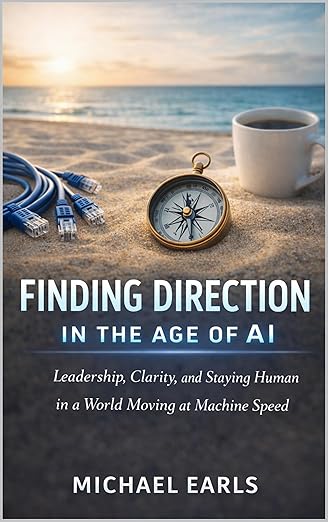
Finding Direction in the Age of AI is the refreshing, deeply human wake-up call that today’s tech-saturated corporate world desperately needs. Rather than offering another dry, technical blueprint on how to implement algorithms, veteran enterprise cloud leader Michael Earls delivers a masterful, conversational critique of modern work culture. His central thesis, that technology hasn't eliminated the need for company direction, but merely exposed how little of it we actually have, cuts right through the exhausting AI hype. Using brilliant metaphors like the "digital compass" to contrast frantic machine speed with true human intentionality, Earls provides readers with a grounding perspective on how to filter out the noise, reclaim personal clarity, and protect trusted judgment.
What makes this brief, impactful book truly stand out is its unwavering focus on the elements of work that AI can never replicate: empathy, genuine mentorship, and organizational trust. Drawing from over two decades of experience leading massive enterprise transformations, Earls speaks with the grounded authority of someone who knows that upgrading technology is simple compared to the messy reality of changing human culture. It reads less like a cold corporate manual and more like a thoughtful, urgent conversation with a trusted peer. For any executive, manager, or professional feeling overwhelmed by digital burnout and the pressure of a fast-moving market, this book is an indispensable guide to leading with purpose rather than just reacting to velocity. Highly recommended!
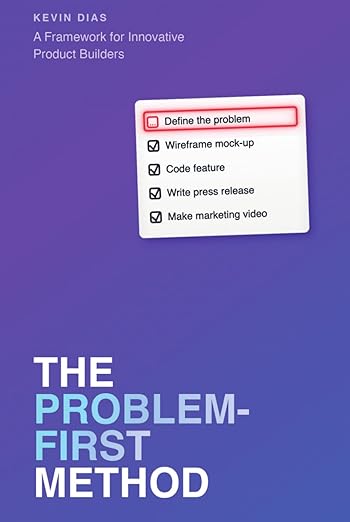
As someone who has been in the trenches of product building, The Problem-First Method by Kevin Dias felt like a personal intervention. Dias delivers a brilliantly ego-free, practical guide that exposes the tech industry's biggest vice: falling in love with solutions before fully understanding the problem. Drawing from his real-world successes and transparent failures as the founder of Ambiki, he perfectly captures the dangerous "dopamine hit" teams get from rushing to ship features that customers ultimately ignore. It’s an essential reality check for any founder, product manager, or engineer who has ever built something perfectly, only to realize they built the wrong thing.
What makes this book a must-read isn't just the diagnostic critique, it’s the actionable toolkit. Dias replaces bloated, corporate frameworks with lightweight, high-utility alternatives like the 90-second Feature Alignment Document (FAD) and the concept of a "Problem Atlas." The writing is sharp, relatable, and packed with concrete case studies (like the brilliant "Autopay Mistake") that illustrate exactly how to play product detective. If you are tired of building features in search of a problem and want to start shipping software that drives real, verified customer value, keep this book on your desk.
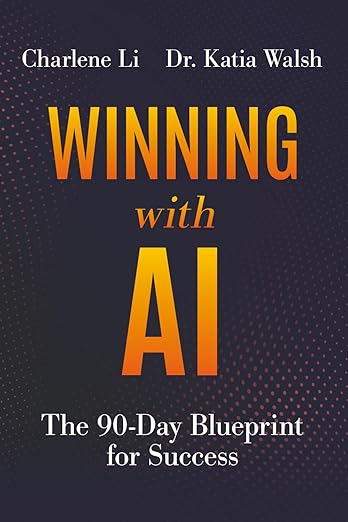
While most business books about AI offer vague, high-level predictions or dry technical overviews, Charlene Li and Dr. Katia Walsh deliver a fiercely practical masterclass in execution with Winning with AI: The 90-Day Blueprint for Success. The authors slice through the noise with an incredibly clear, week-by-week framework designed to move organizations from "AI theater" to real, measurable business value. By coupling Li's legendary disruption strategies with Walsh's battle-tested experience as a pioneering Chief AI Officer, they address the hard organizational truths that leaders actually face, such as culture shifts, team alignment, and the critical concept of "Goldilocks governance". It is a rare business guide that is both strategically brilliant and immediately actionable.
What makes this book truly indispensable is its refreshing focus on the human element of technology. Li and Walsh repeatedly prove that winning with AI isn't about having the cleanest data or the largest budget; it is about building team fluency, fostering psychological safety, and aligning AI directly to your existing business objectives. If you are a leader tired of endless, dead-end pilots and want a concrete, 12-week roadmap to mobilize your workforce and drive real ROI, this is the book you need on your desk.
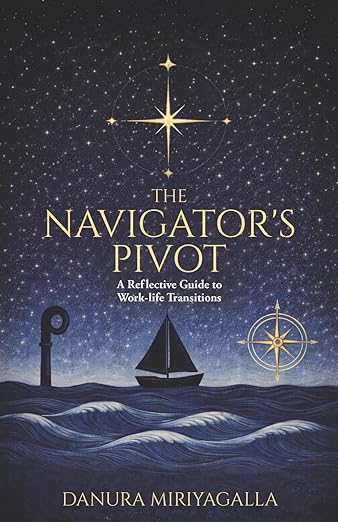
The Navigator’s Pivot is a breath of fresh air in a sea of generic, hyper-aggressive career advice. Moving away from the typical "hustle-harder" formulas, Danura Miriyagalla introduces a profoundly reflective approach to work-life transitions. Using beautiful, evocative seafaring metaphors, such as the Transition Compass and the Four Periscopes, the book reframes uncertainty not as an emergency to escape, but as a normal, navigable terrain. Miriyagalla’s background in complex global environments shines through every page, offering readers a sense of calm authority and deep wisdom that reassures you it is entirely okay to pause, read the winds, and find your bearings before making your next move.
What makes this guide truly exceptional is its emphasis on internal transformation over quick external fixes. It brilliantly differentiates between a simple tactical shift and a true, deep-seated inflection, challenging readers to find their unwavering purpose rather than just chasing the next arbitrary milestone. The actionable toolkits and reflective frameworks provided are both practical and deeply human, making it an indispensable read for anyone facing a career crossroads, experiencing burnout, or quietly figuring out their next chapter. This isn't just a book about changing jobs; it is a masterclass in navigating life with integrity, clarity, and true direction.
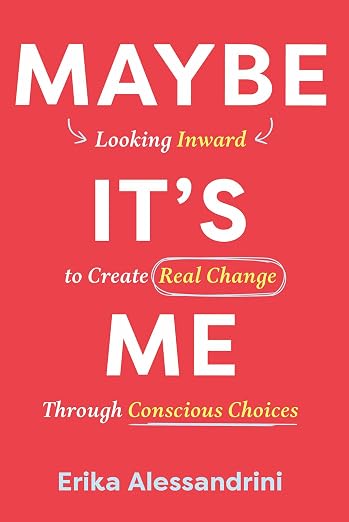
Erika Alessandrini’s Maybe It’s Me is a refreshing, deeply practical wake-up call for high achievers, leaders, and anyone caught in the endless cycle of overworking without feeling satisfied. Grounded in her 20+ years of corporate executive experience, Alessandrini turns standard leadership advice on its head by delivering an empowering truth: if your default reactions are the common denominator in your stress, then you hold the power to fix it. She dissects five core self-sabotaging beliefs, like the lie that pushing harder is the only route to success, with a rare blend of sharp candor and genuine empathy that makes you feel both challenged and thoroughly supported.
What sets this book apart is its actionable framework. The "Seven Conscious Questions" serve as an incredible real-time toolkit for navigating daily friction, shifting from knee-jerk reactivity to intentional, values-aligned decision-making. The concise workplace scenarios and journal-style reflection prompts make abstract coaching concepts immediately usable, helping you break burnout habits before they spill into your personal life. If you want to trade chronic pressure for lasting peace and give the people in your life the best of you rather than what’s left over this is an essential addition to your bookshelf.
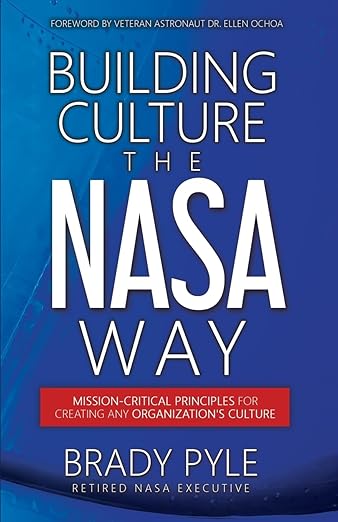
Building Culture the NASA Way by Brady Pyle is an exceptional, practical guide for anyone looking to build a resilient, high-performing organization. Drawing on three decades of HR leadership at NASA, Pyle bridges the gap between lofty management theories and actionable daily habits. What makes this book stand out is its balance: Pyle pairs captivating behind-the-scenes stories from astronaut missions and technical breakthroughs with a clear framework -- Navigate, Assess and Adapt, Strengthen Leadership, and Activate Inclusion and Innovation, that works just as well for a team of five as it does for an enterprise of thousands.
Rather than relying on generic corporate slogans, Pyle demonstrates how to treat workplace culture like a space mission: something that requires continuous measurement, psychological safety, and structured learning from setbacks. His insights on developing technical experts into empathetic people managers and executing meaningful feedback loops are invaluable for modern leaders. Whether you are an executive, an HR professional, or a frontline manager, this book provides an inspiring and highly repeatable roadmap to elevate your team. Highly recommended!
And now a little bit about my books ....
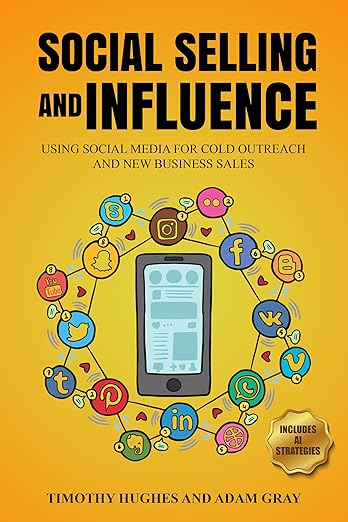
This is my 3rd book on social selling and my 4th book overall, “Social Selling - Using Social Media for Cold Outreach and New Business sales”. Written by hand (and not AI) over Christmas 2025, it uses the latest research and builds on a decade of client work. The book is based entirely on what we know works for our clients; from our own benchmarks, we know the average SDR gets 5x high-quality ICP meetings a week, and we have an AE at Salesforce who gets 7x high-quality ICP meetings a week. If you want to replicate those sorts of results, then this is the book for you. It's self-published, meaning I was free to write exactly what you need to hear. I've kept it short enough to read over a weekend, and in every territory, it’s less than a tenner.
For those searching for an AI answer, there is a whole chapter on the subject written by our AI SME, Bertrand Godillot. Based on our own experiences implementing an AI Agent / Teammate, it will help guide your sales AI journey, not to automate you, but to make you more human and help scale yourself. The book is available on Amazon worldwide.
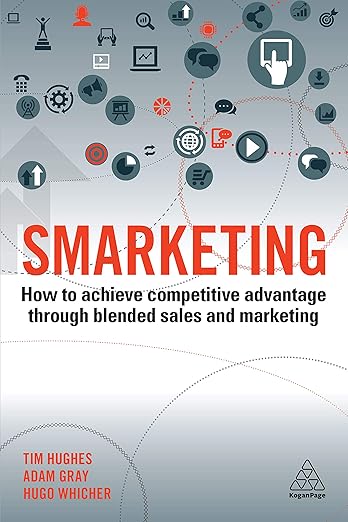
In my second book, "Smarketing - How to achieve competitive advantage through blended sales and marketing" published through Kogan Page, we looked at the age old problem of marketing and sales working together. At the time there was a lot of conversations on social media about how on earth do we get sales and marketing to be one team?
The book, takes a case study, which we cannot mention, it works through the strategy, how to implement a program to implement sales and marketing, the political risks and measures and governance. The book finishes with a look into the future of sales and marketing.
I would admit that if we wrote the book today, we would probably call it Rev-ops (revenue operations).
Please note that some reviews (but not all) I had Chat GPT or Google's Gemini to help me.
/Passle/59673246b00e801d00aac5ae/MediaLibrary/Images/2026-09-25-15-46-19-636-6ab6974b0a48f74b55a7dd12.jpeg)
/Passle/59673246b00e801d00aac5ae/MediaLibrary/Images/2026-09-28-16-53-50-279-6aba9b9ea556c8efb06adb27.png)
/Passle/59673246b00e801d00aac5ae/MediaLibrary/Images/2026-09-25-15-42-42-003-6ab69672aa59c95e262d04c4.jpeg)
/Passle/59673246b00e801d00aac5ae/MediaLibrary/Images/2026-09-21-14-14-48-923-6ab13bd8875b1d49c03ed74d.jpg)