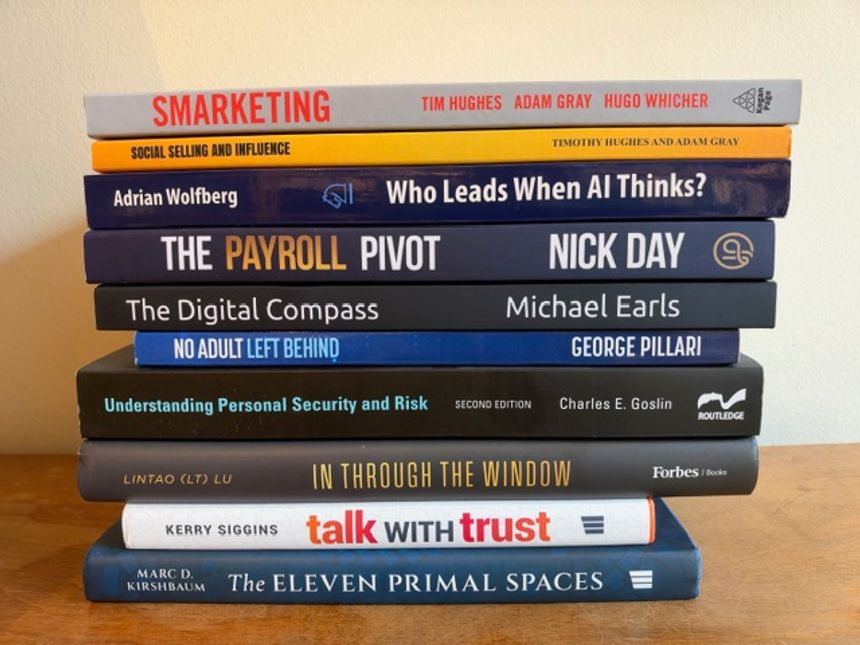


Here are the ten business books that have shaped my thinking most recently, a mix of bold ideas, sharp insights, and a few genuine game-changers
I’ve pulled together short reviews for each, and I hope they spark your curiosity as much as they did mine
And a small favour: if you read any of these books, please leave a review
It makes a bigger difference to us authors than you might imagine
If you want to follow the books I’m reading in real time (without waiting for the reviews), head over to the DLA Ignite LinkedIn page and hit follow
Plenty more ideas and inspiration waiting there
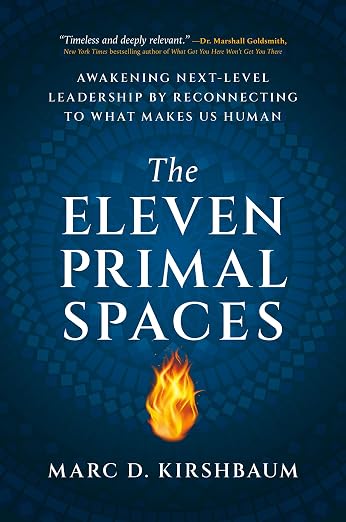
In an era dominated by AI disruption and digital overload, Marc D. Kirshbaum’s The Eleven Primal Spaces offers a grounding reminder that effective leadership is ultimately an exercise in being human. Kirshbaum skillfully combines evolutionary anthropology, neuroscience, and executive experience to guide readers through 11 foundational "spaces", spanning personal reflection, group dynamics, and higher purpose. Rather than leaning on generic business buzzwords, the book provides a unique lens that links ancient human drivers, like trust, community, and empathy, to the complex realities of managing modern teams.
What sets this book apart is how seamlessly it balances deep philosophical insight with practical execution. Kirshbaum doesn't just discuss concepts; he offers reflection prompts and actionable exercises that help leaders transition from passive reaction to intentional decision-making. Whether you are a C-suite executive navigating organizational change, an entrepreneur building a company culture, or simply someone looking to lead with greater authenticity, this book provides a clear, compelling roadmap. Highly recommended for anyone ready to step back from the tech noise and lead from the inside out.
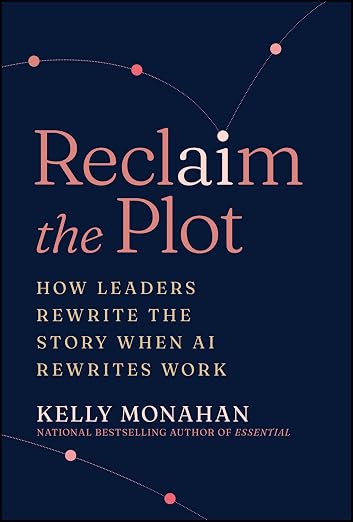
In Reclaim the Plot, Dr. Kelly Monahan delivers an urgent and essential compass for navigating the modern workplace crisis. As AI continues to reshape daily work, many leaders have fallen into the trap of managing by numbers, surveillance, and short-term cost-cutting, leaving teams burned out, disengaged, and deeply distrustful. Monahan brilliantly exposes why these outdated management playbooks are failing and makes a compelling, research-backed case that technology should be used to amplify human potential rather than replace it. By shifting the focus from fixing individual employees to fixing broken organizational systems, she offers a clear and compassionate blueprint for building high-performing, resilient teams in a tech-driven world.
What sets this book apart is its balance of behavioral science, executive strategy, and deeply empathetic storytelling. Monahan provides actionable frameworks to help leaders bridge the gap between AI automation and true human adaptability, showing exactly how to restore psychological safety and trust within an organization. Whether you are a senior executive rethinking your tech strategy, a middle manager caught in the middle of constant transformation, or anyone looking to future-proof their leadership, Reclaim the Plot is a masterclass on how to lead with clarity, courage, and heart. An absolute must-read for anyone navigating the future of work.
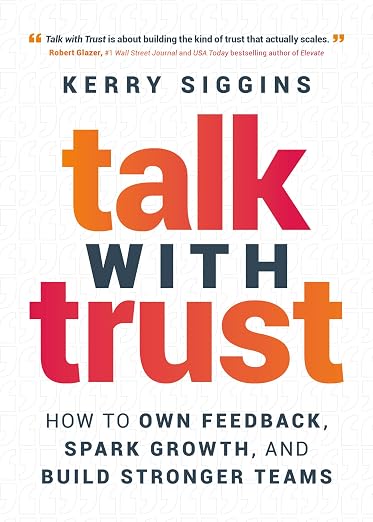
Talk with Trust is a refreshingly practical roadmap for anyone who has ever dreaded giving or receiving feedback. Drawing on her extensive experience as CEO of StoneAge, Kerry Siggins demystifies difficult conversations and reframes feedback as a high-impact lever for building trust rather than a punitive chore. At the heart of the book is her actionable SHARES framework, which equips readers with a clear, step-by-step model to deliver direct, compassionate feedback without triggering defensiveness.
What makes this book stand out is its balance between real-world executive grit and deep psychological safety. Siggins doesn't just offer theoretical advice; she provides actionable communication strategies that turn awkward workplace friction into genuine employee growth and ownership. Whether you are a first-time manager, a seasoned executive, or simply looking to navigate challenging conversations in your personal life, Talk with Trust is an essential handbook for leading with clarity, courage, and empathy.
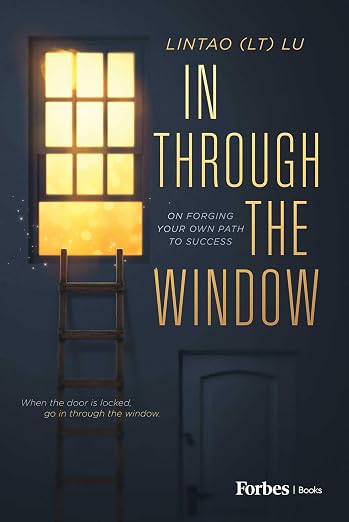
In Through the Window is a deeply moving and intensely practical memoir that redefines what it means to build a career on your own terms. Lintao (LT) Lu takes readers from his childhood in a remote Chinese fishing village during the Cultural Revolution, where extreme poverty and systemic barriers were daily realities, to his rise as a global technology executive, inventor, and founder of NAVAC. Rather than writing a standard corporate success story, LT shares a raw, candid account of navigating moments when the "front door" was firmly shut, offering readers an inspiring blueprint for turning constraint and adversity into strategic judgment.
What elevates this book above typical business memoirs is its rare synthesis of engineering precision, cultural intelligence, and quiet human resilience. LT doesn't offer quick-fix hacks; instead, he details the patience, observation, and cross-cultural adaptability required to lead from the margins and break through structural limits like the "bamboo ceiling." Whether you are an immigrant navigating unfamiliar systems, an underrepresented leader feeling underestimated, or an entrepreneur taking a mid-career leap, this book provides both the perspective and the courage to find your own "window" when the doors stay locked.
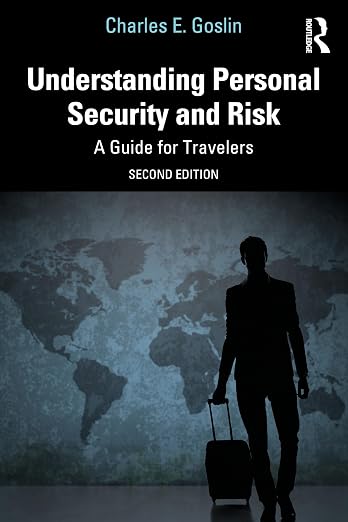
In Understanding Personal Security and Risk: A Guide for Travelers, Charles E. Goslin strips away the academic jargon and corporate buzzwords of security management to deliver a raw, practical masterclass in real-world self-protection. Drawing directly from decades of operational field experience as a CIA Operations Officer, Goslin shifts the focus from passive reliance on technology and local authorities to proactive personal agency. He breaks down risk mitigation into four core principles, Preparation, Detection, Deterrence, and Delay, providing readers with an intuitive framework to spot threat actors early, read environmental cues, and de-escalate danger before a crisis unfolds.
What sets this guide apart from standard travel advice is its granular, real-world utility across virtually every travel scenario. Goslin covers everything from navigating soft targets like transit hubs and hotel lobbies to securing digital devices against foreign surveillance and street-level crime. Crucially, the book avoids a one-size-fits-all approach by addressing the unique risk profiles of specific demographic groups, including women, student travelers, and LGBTQ+ individuals, as well as handling high-stress situations like corrupt official checkpoints. Whether you are a corporate executive entering emerging markets or a solo backpacker, this book is an indispensable manual for developing true situational awareness and staying safe anywhere on the globe.
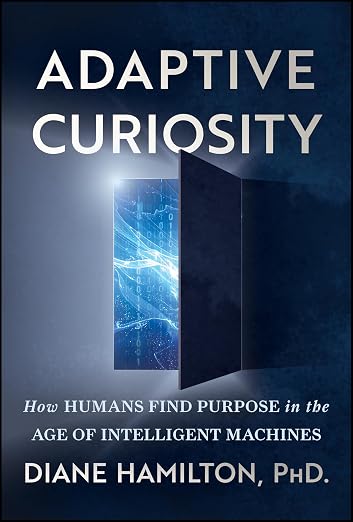
In Adaptive Curiosity: How Humans Find Purpose in the Age of Intelligent Machines, Dr. Diane Hamilton delivers a deeply timely and essential roadmap for navigating one of the greatest shifts of our era. Anchored by a compelling opening story about psychologist Albert Bandura and his research on self-efficacy, Hamilton reframes technological disruption from a threat into an opportunity for personal growth. She convincingly demonstrates that while AI can automate expertise, the root issue unsettling most professionals isn't just job loss, it is identity. Through her actionable "FATE" framework (Fear, Assumptions, Technology, and Environment), she breaks down the hidden barriers that keep us stuck and gives readers a practical way to reclaim control over their direction.
What sets this book apart is its actionable, deeply human approach to finding meaning beyond traditional job titles. Rather than offering vague advice, Hamilton outlines the Four Paths of Meaning; Exploration, Connection, Creation, and Influence, showing how we can actively partner with intelligent systems while doubling down on core human strengths. Her insights on "artificial curiosity" versus human purpose serve as a powerful reminder that algorithms process patterns, but humans assign value. Whether you are a business leader guiding a team, a professional facing a career transition, or simply looking to future-proof your sense of purpose, this book is an inspiring, indispensable guide for thriving alongside AI.
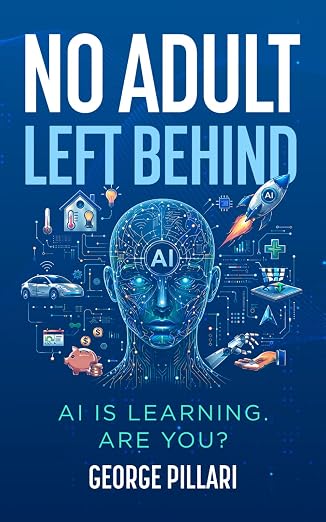
"AI isn't going to take your job, someone using AI is." We've all heard the cliché, but George Pillari actually gives us the instruction manual. In No Adult Left Behind: AI is Learning. Are You?, Pillari translates complex machine learning concepts into everyday business literacy. Having spent decades steering companies through high-stakes transitions, he brings a grounded, battle-tested lens to generative AI. He breaks down actionable frameworks for effective prompting, career-proofing, and knowing precisely when to delegate tasks to autonomous tools versus when to rely on human judgment.
I particularly appreciated how the book balances immediate hands-on advice with thoughtful reflection on the broader societal impact of automation, from healthcare to disaster management. Pillari’s tone is empathetic, direct, and completely free of tech-bro elitism. It’s a fast, highly readable guide that leaves you feeling capable rather than intimidated. If you’ve felt like the AI boom is moving too fast for you to catch up, start here, it’s one of the most practical business books of the year.
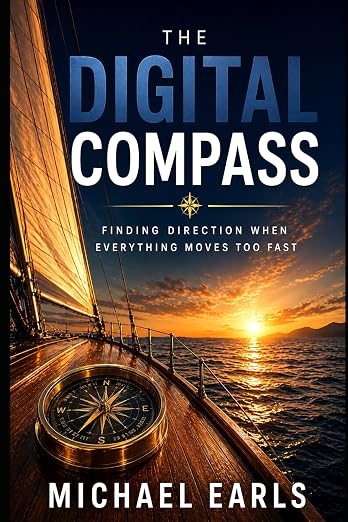
In an era where every tech platform and productivity tool urges us to go faster, Michael Earls delivers a much-needed, counterintuitive reality check: speed without direction is just expensive noise. The Digital Compass cuts through the overwhelming tide of AI hype and endless notifications, offering a practical, grounding framework to help readers regain control over their focus and priorities. Earls compellingly demonstrates that our biggest challenge in the digital age isn’t a lack of tools or velocity, it's a lack of intentional navigation.
What makes this book stand out is its practical focus on "East", the critical entry point where we decide what inputs, distractions, and demands to let into our lives. Earls balances high-level strategic insight with actionable daily boundaries, making this essential reading for modern leaders and anyone feeling burnt out by the expectation of constant availability. Crisp, sharp, and profoundly relevant, The Digital Compass is the ultimate manual for finding clarity and purpose when the world won't stop accelerating.
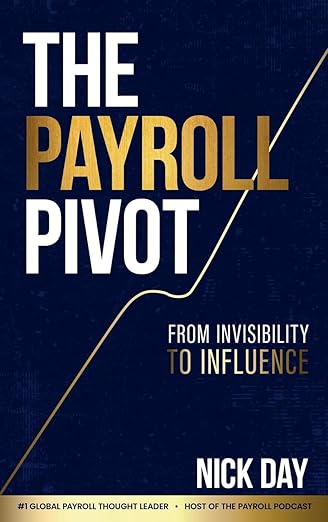
For too long, payroll has been treated as the quiet engine in the basement, relegated to back-office processing and only noticed when something goes wrong. In The Payroll Pivot, Nick Day delivers a powerful, long-overdue rallying cry that completely reframes the narrative. Drawing on two decades at the forefront of executive recruitment and industry thought leadership, Day provides an actionable blueprint showing how professionals can shed "the invisibility trap," harness the goldmine of workforce data sitting in their systems, and translate routine operations into high-impact strategic intelligence. It’s equal parts career strategy, psychological guide to overcoming workplace fear, and executive roadmap for the digital age.
What makes this book stand out is its relentless focus on practical transformation. Day doesn’t just tell you that payroll deserves a seat at the table; he shows you exactly how to build the influence, leadership skills, and executive presence required to command it. As AI and automation continue to reshape business, The Payroll Pivot proves that technology isn't replacing payroll, it's elevating it into one of the most critical advisory roles in the modern enterprise. Whether you’re a payroll veteran looking to step into strategic leadership, an HR director, or a CFO looking to unlock untapped value in your organization, this is an absolute must-read.
In Who Leads When AI Thinks?: How Leaders Frame Decisions and Exercise Judgment, Adrian Wolfberg delivers an indispensable guide for executives grappling with the shift from human-driven analysis to machine-generated insights. Drawing on his extensive background in national intelligence and organizational strategy, Wolfberg cuts through the current AI hype to pinpoint the true locus of modern leadership: problem framing. He convincingly argues that while advanced algorithms can synthesize massive datasets and project potential outcomes at unprecedented speeds, they lack the contextual nuance, values, and ethical grounding required to define the right questions. The book exposes the hidden risks of automation bias, where leaders prematurely default to polished AI recommendations and provides a practical blueprint for maintaining human judgment at the center of critical decisions.
What sets this book apart is its actionable framework for structuring a genuine "Human-AI dance" rather than surrendering strategic agency. Wolfberg treats AI not as an executive replacement or a simple software tool, but as a dynamic orchestration partner that demands rigorous human sensemaking. Through rich case studies and sharp cognitive strategies, he shows leaders how to reframe complex problems, interrogate algorithmic assumptions, and retain ultimate accountability for organizational outcomes. Essential reading for C-suite executives, strategists, and policy thinkers, Who Leads When AI Thinks? is a masterclass in retaining critical thinking, strategic clarity, and ethical leadership in an increasingly automated world.
And now a little bit about my books ....
This is my 3rd book on social selling and my 4th book overall, “Social Selling - Using Social Media for Cold Outreach and New Business sales”. Written by hand (and not AI) over Christmas 2025, it uses the latest research and builds on a decade of client work. The book is based entirely on what we know works for our clients; from our own benchmarks, we know the average SDR gets 5x high-quality ICP meetings a week, and we have an AE at Salesforce who gets 7x high-quality ICP meetings a week. If you want to replicate those sorts of results, then this is the book for you. It's self-published, meaning I was free to write exactly what you need to hear. I've kept it short enough to read over a weekend, and in every territory, it’s less than a tenner.
For those searching for an AI answer, there is a whole chapter on the subject written by our AI SME, Bertrand Godillot. Based on our own experiences implementing an AI Agent / Teammate, it will help guide your sales AI journey, not to automate you, but to make you more human and help scale yourself. The book is available on Amazon worldwide.
In my second book, "Smarketing - How to achieve competitive advantage through blended sales and marketing" published through Kogan Page, we looked at the age old problem of marketing and sales working together. At the time there was a lot of conversations on social media about how on earth do we get sales and marketing to be one team?
The book, takes a case study, which we cannot mention, it works through the strategy, how to implement a program to implement sales and marketing, the political risks and measures and governance. The book finishes with a look into the future of sales and marketing.
I would admit that if we wrote the book today, we would probably call it Rev-ops (revenue operations).