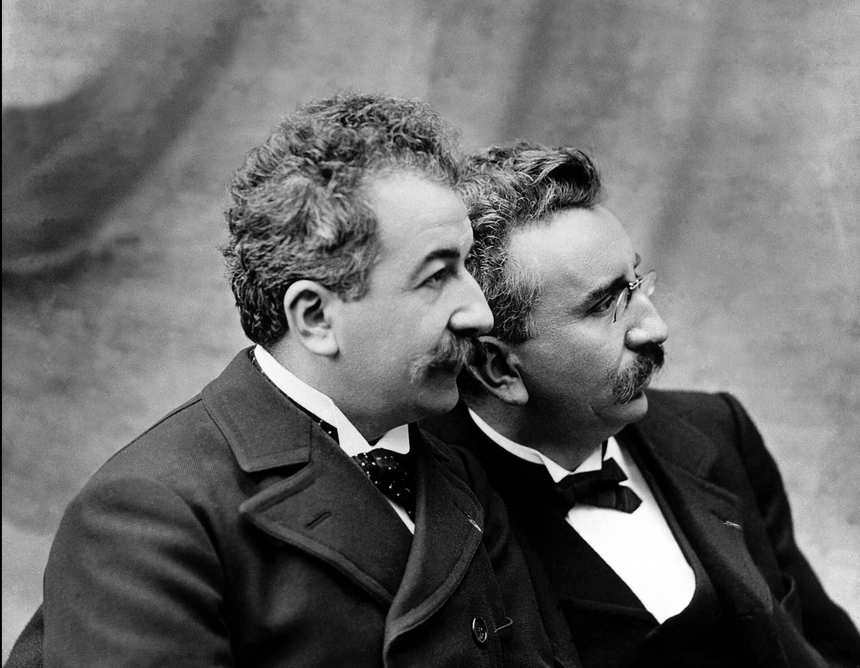


Auguste and Louis Lumière invented the cinematograph, literally birthing modern cinema. Yet despite creating one of the most transformative mediums in human history, their devotion to traditional still photography led them to famously dismiss it: “Cinema is an invention without a future.”
A century later, Kodak engineered the world’s first handheld digital camera, only to lock it away in a cupboard because they couldn't bear to disrupt their lucrative chemical film business.
Both pioneers were blinded by what made them successful yesterday.
The exact same blind spot is crippling commercial teams today.
Sales organizations remain aggressively wedded to 20th-century playbooks, dialing cold numbers until fingers bleed, blasting generic email sequences into spam filters, and mistaking sheer outbound volume for pipeline health. Meanwhile, traditional marketing still runs on the broadcast model conceived during the Mad Men era of the 1930s: pump enough budget into pushing a one-way corporate narrative, and market share will follow.
A century ago, that worked. Audiences were static, options were limited, and distraction was minimal.
Today, buyers do not exist in a broadcast world. They live on digital networks, conduct 80% of their research before speaking to a rep, and have zero tolerance for impersonal corporate noise. Yet open LinkedIn on any given morning, and you’ll see company pages and reps still behaving like 1950s television antennas, blasting static corporate brochures into the void and wondering why nobody engages.
Social media is not a broadcast loudspeaker; it is a mechanism for two-way, peer-to-peer engagement.
At Azpertilo, our core conviction is that the future belongs to social-first organizations. Becoming social-first isn't about teaching reps to paste corporate marketing copy into direct messages or posting company updates three times a week. It requires a fundamental shift in behavior:
Earning attention rather than interrupting it: Equipping leaders and commercial teams with authentic personal brands that attract buyers organically.
Replacing pitching with conversation: Building trust, authority, and genuine commercial relationships inside digital networks where your buyers actually spend their time.
Modernizing the go-to-market engine: Integrating social selling, employee advocacy, and modern digital influence into a repeatable pipeline-generation model.
The Lumière brothers and Kodak didn't fail because they lacked great technology, they failed because they mistook their legacy processes for the permanent order of things.
Cold outreach and broadcast marketing haven't just lost their effectiveness; they are rapidly becoming corporate museum pieces. The organizations winning market share today aren't the ones shouting louder into the wind, they are the ones showing up as credible human beings having authentic conversations where it counts. You can either modernize your revenue engine now, or become the next cautionary tale locked in the cupboard.